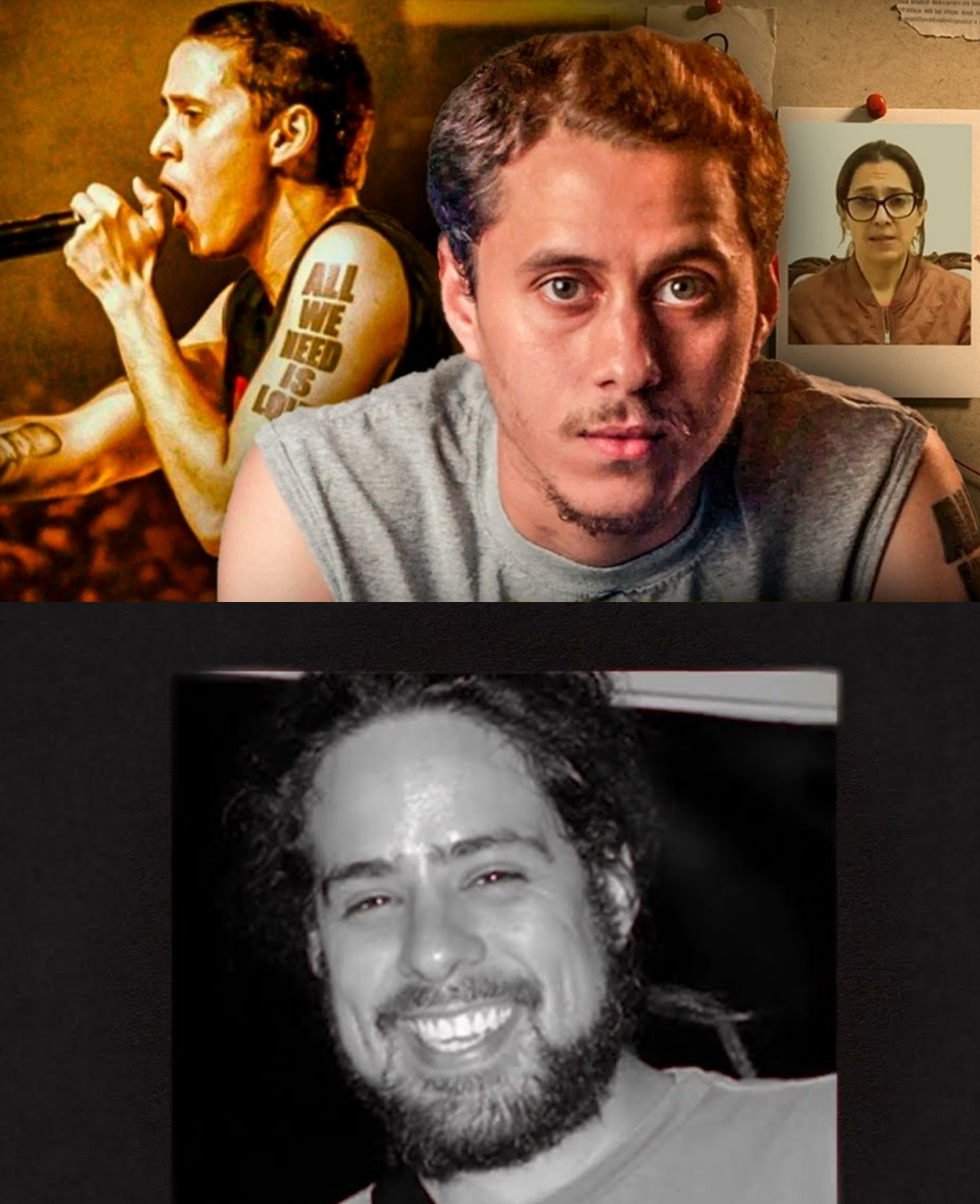
In the annals of Latin American music, few names command the reverence, mystery, and raw emotional resonance of Canserbero. Born Tyron José González Orama, he was not merely a rapper; he was a philosophical torchbearer for a generation disillusioned by political corruption, systemic violence, and the hollow promises of modern society. For years, the story of his life was inextricably linked to the chilling narrative of his death—a tragedy that was officially labeled a murder-suicide triggered by a psychotic break. Yet, for nearly a decade, millions of fans worldwide refused to accept the state-sanctioned version of events. Their instincts were right. In a stunning turn of events in late 2023, the veil of deception was finally lifted, revealing a reality far more sinister than any fan theory had dared to propose.
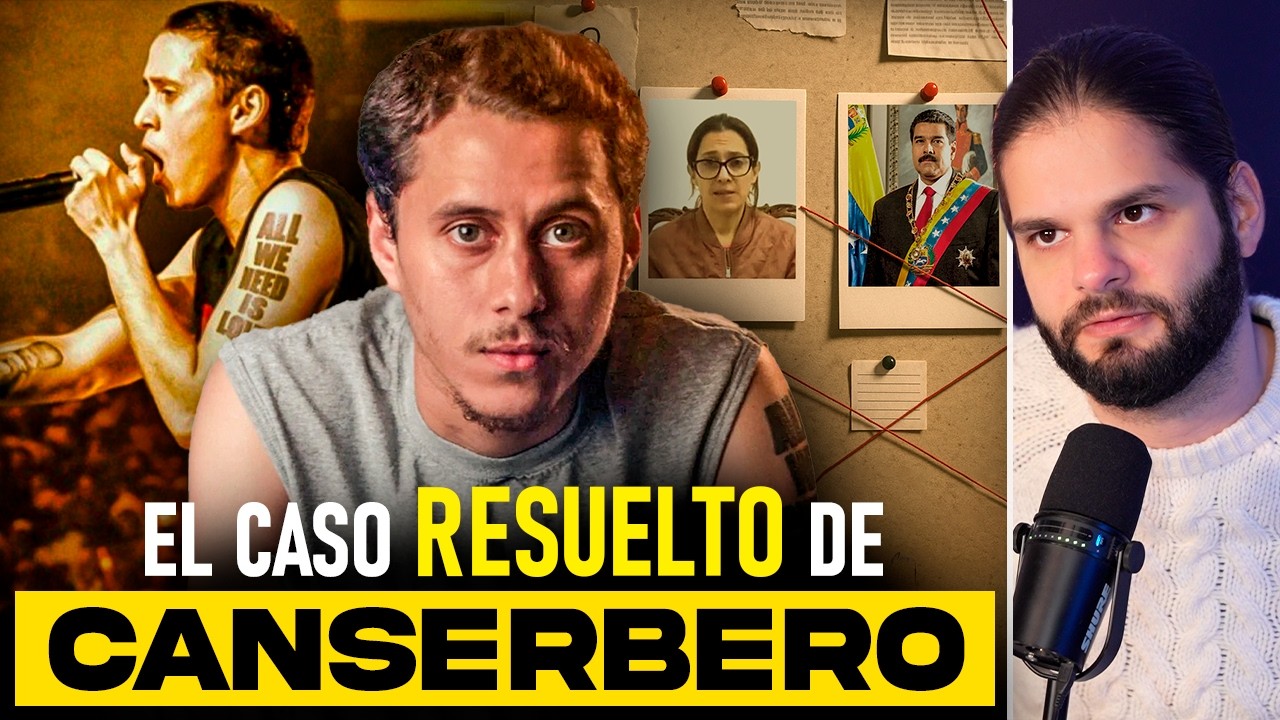
To understand the weight of his legacy, one must look at the man behind the moniker. Tyron was born into a life shaped by resilience. His parents, Leticia and Cheo, built a family in the streets of Caracas, surrounded by the echoes of poetry and the rhythms of Venezuelan song However, the shadow of loss followed him early. At the age of nine, he endured the passing of his mother, a profound wound that he navigated not with tears in the public eye, but with a silent, observant maturity that would later define his introspective lyricism . Years later, the streets would claim his half-brother in a violent robbery, cementing his preoccupation with mortality. It was here, amidst the trauma and the struggle, that “Canserbero”—a name derived from the mythological guardian of the underworld—was born [ .His music was a mirror held up to a fractured society. While his contemporaries chased fleeting fame, Tyron dove into history, political theory, and existential philosophy. His debut mixtape, Nuestra doctrina no es un dogma es una guía para la acción (2008), was an uncompromising critique of the political elite in Venezuela. He didn’t just rap about the streets; he challenged the structural apathy that allowed them to decay. When he released Vida (2010), he pivoted to the personal, crafting anthems like “Pensando en ti” and “Ley de hielo” that touched the raw nerves of loss and love. But it was his Magnum Opus, Muerte (2012), that solidified his status as an immortal of the genre. Confronting his own mortality and the darkness of human nature, he created art that felt less like music and more like a visceral confession.
Yet, as his popularity soared, the friction between his artistic independence and the machinations of the industry grew. By 2015, Canserbero was not just an artist; he was a cultural phenomenon whose influence threatened those invested in keeping the status quo. On January 20, 2015, the world stopped when reports surfaced that he had been found dead outside the Camino Real apartment complex in Maracay. The “official” account, fed to the public with alarming speed, claimed that a mentally unstable Canserbero had attacked his manager, Carlos Molnar, with a knife before hurling himself from the tenth-floor window
For the public, the math simply didn’t add up. There were too many incongruities: the body was positioned far from the building’s impact zone, the alleged murder weapon and blood spatters were absent from the scene, and windows that were supposedly shattered in a frantic suicide were found neatly removed and replaced . Furthermore, the frantic efforts of his manager’s wife, Natalia Améstica, to narrate the events to the media felt like a rehearsed performance. Despite the mounting evidence pointing toward a crime, the case was hastily filed as a murder-suicide, leaving a void where justice should have been.
For eight long years, the ghost of Tyron haunted the conscience of the nation. It wasn’t until December 2023, under the weight of a renewed investigation led by the Venezuelan Attorney General, that the truth finally shattered the facade. Natalia Améstica, the woman who had been the primary witness, finally broke under the pressure, revealing a plot orchestrated by greed and betrayal. The night was not defined by a psychotic episode, but by a calculated act of cold-blooded murder.
According to her confession, the night had been staged from the beginning. She had drugged both Canserbero and Carlos Molnar with a sedative, Alpram, slipped into their tea. When Molnar, incapacitated by the drug, became vulnerable, she took his life. Upon seeing the horror, an already drugged Tyron became the second target. She then summoned her brother, Guillermo, who arrived with corrupt state security agents. Together, they mutilated the bodies post-mortem to match the narrative of a chaotic struggle, planted evidence, and tossed Tyron’s body from the window to stage a suicide The bribe was simple, cynical, and effective: thousands of dollars exchanged hands to ensure the story held, leaving Tyron’s family to mourn a son they knew had never been the man the state claimed he was.
Today, Natalia Améstica and her brother are serving prison sentences, and the dark chapter of Canserbero’s death has finally reached a legal conclusion. However, the true legacy of Tyron José González Orama remains untouched by the villainy of his killers. His tombstone, simple and unassuming, bears the inscription: “Canserbero Tyron José González Orama ni más ni menos.” Neither more, nor less. It is a profound reminder that before he was a legend, before he was a martyr of the rap scene, and before his death became a political flashpoint, he was a human being.
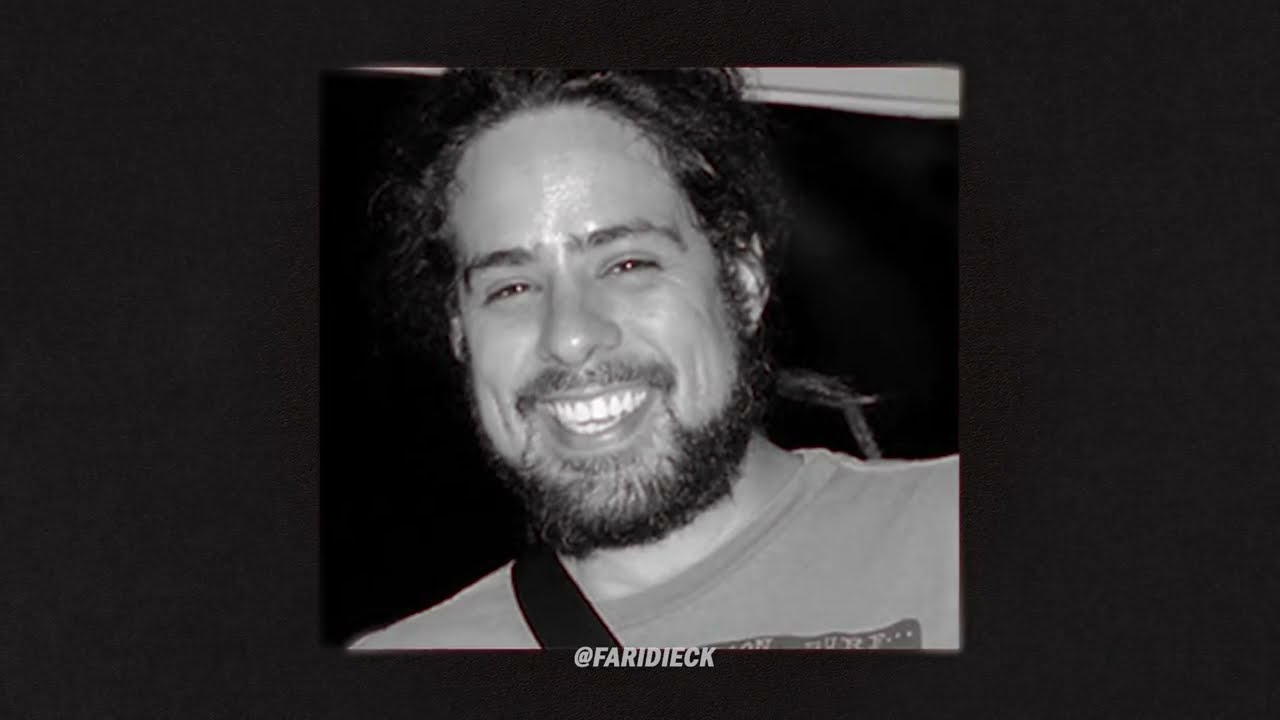
Tyron reminds us that one does not need to be a mythical hero to effect change; one only needs the courage to remain authentic in an artificial world. He did not ask to be placed on a pedestal, yet his lyrics provided a foundation upon which millions built their understanding of resistance and reality. His death was meant to silence him, but it ultimately cemented his message. In a world full of noise, lies, and artifice, Canserbero’s life and work stand as a testament to the power of human truth—unvarnished, unrelenting, and, ultimately, timeless