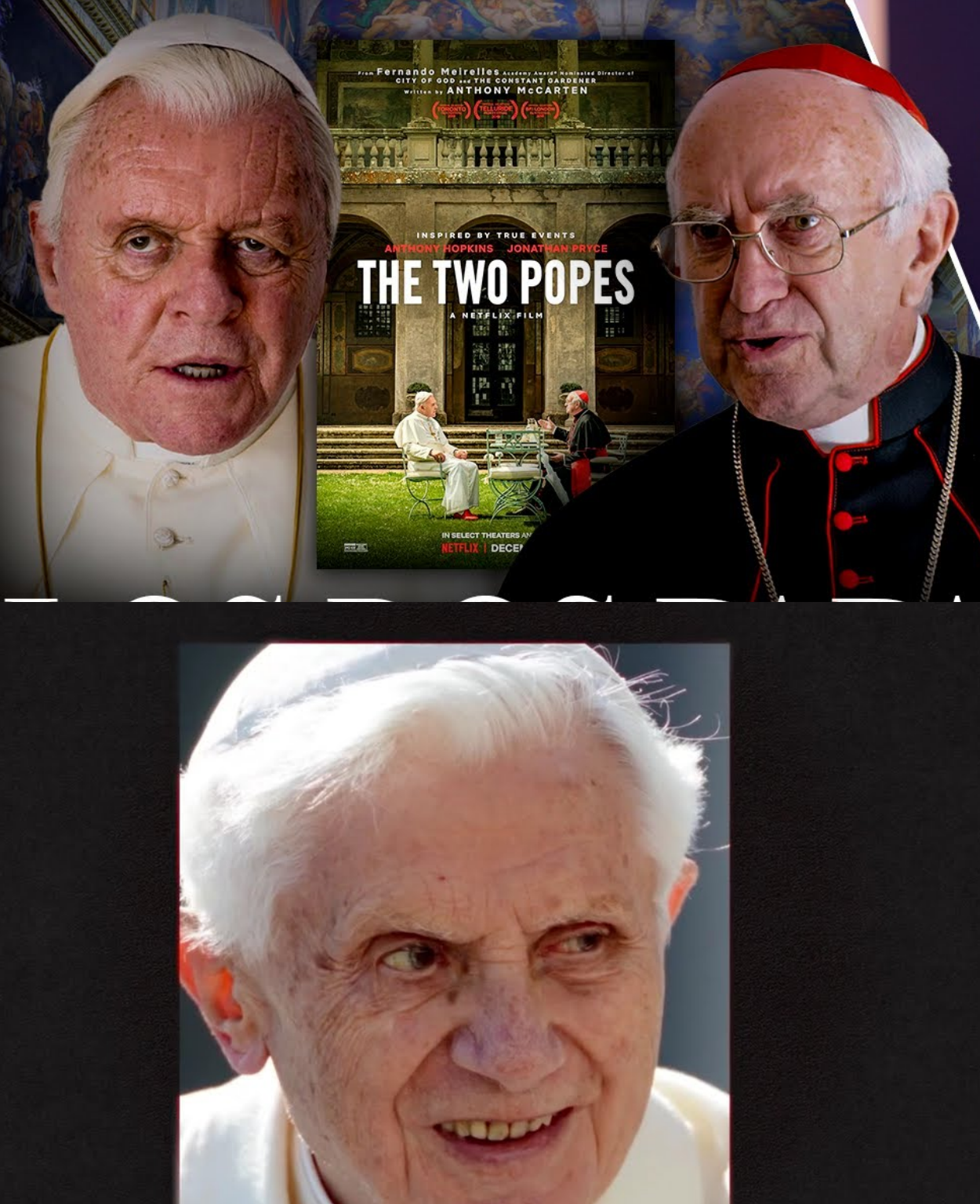
History has a peculiar way of simplifying complex human beings into convenient archetypes. For decades, the public perception of Pope Benedict XVI—formerly Joseph Ratzinger—was etched in stone: he was the “Panzerkardinal,” the icy, unyielding guardian of dogma, the antithesis of his charismatic predecessor, John Paul II. Yet, beneath the veneer of papal robes and centuries-old rituals lies a far more nuanced, tragic, and human story. Recent explorations into the dynamics between Benedict XVI and his eventual successor, Jorge Bergoglio (Pope Francis), suggest that the reality of Benedict’s tenure was not defined by stubbornness, but by a heavy, silent sacrifice
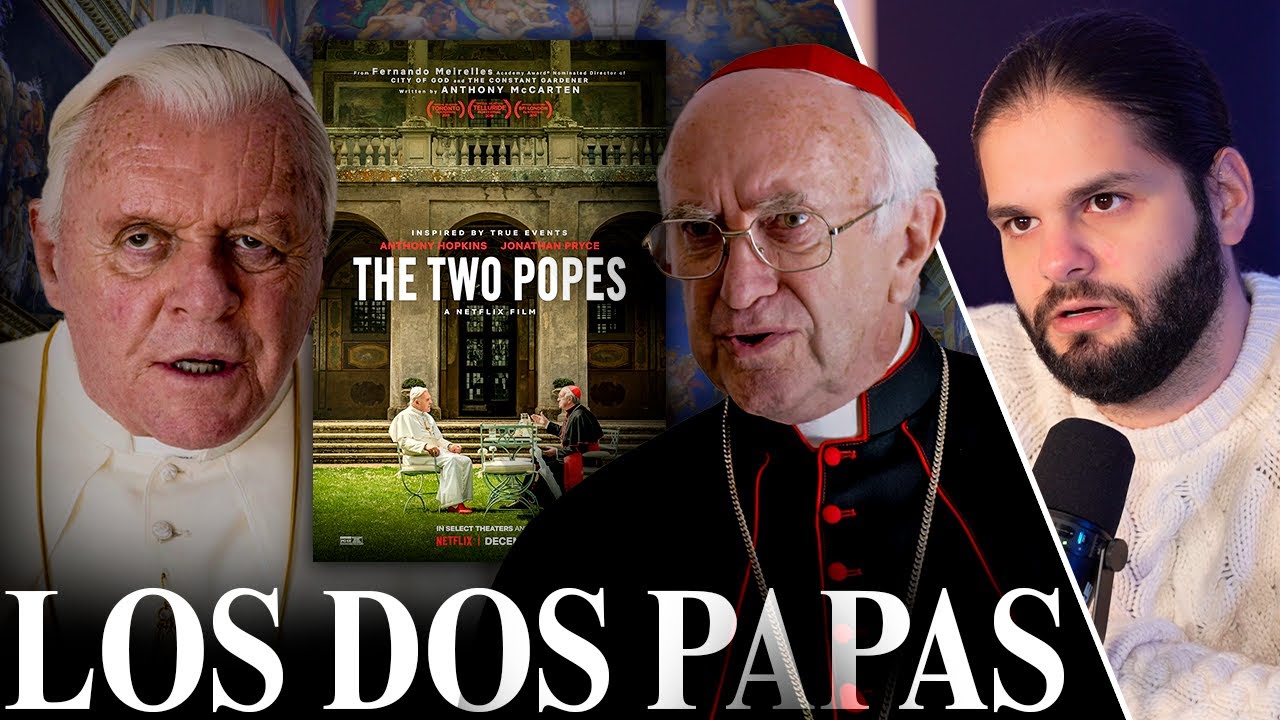
To understand why Benedict XVI became the first Pope in centuries to resign, one must first look at what he inherited. When John Paul II passed away, he left behind a global legacy of immense popularity. He traveled to 129 countries, hugged the faithful, and captured the hearts of millions. However, that outward success masked a growing rot within the Vatican’s administration. Critics argue that while John Paul II focused on the image of the Church, the administrative corruption, systemic abuse cases, and internal power struggles were left to fester in the shadows . By the time Ratzinger ascended to the papacy, he was not stepping into a golden era; he was walking into a collapsing structure.
Joseph Ratzinger was a man of the intellect. Born in 1927 in Germany, a country scarred by the trauma of war and the chaos of failing ideologies, he sought refuge in the permanence of the Catholic tradition. For him, the Church was a bastion of truth in a relativistic world . While others sought novelty and emotional resonance, Ratzinger sought clarity. He was the brilliant mind who served as the Prefect of the Congregation for the Doctrine of the Faith, the intellectual gatekeeper of the Church . When he was elected, the world expected him to be the protector of the status quo. What they didn’t anticipate was the insurmountable weight of the secrets left on his desk.
The tensions between the conservative Benedict and the liberal, reform-minded Bergoglio became a focal point of their relationship. The two men stood at opposite ends of a theological spectrum. Benedict represented the wall of tradition, fearing that change would erode the identity of the faith. Bergoglio, deeply shaped by his experiences in the streets and slums of Argentina, saw the Church’s rigid adherence to rules as a barrier, effectively shutting out those who needed compassion the most
Their private interactions, often dramatized in accounts of their meetings, reveal a clash of worldviews. Bergoglio, the man who preferred to take public transit and lived among the poor, was the human element the Church seemed to lack Benedict, meanwhile, was grappling with a loneliness that the public never saw. He confessed to feeling abandoned by the very voice of God that he had always relied upon. He was an academic thrust into a world of crisis management, a role he never felt fully equipped for .
The turning point was undoubtedly the revelation of internal corruption. Scandals such as the Vatileaks affair exposed a Vatican riddled with power plays and financial impropriety Most damaging, however, were the long-standing cases of sexual abuse, particularly regarding figures like Marcial Maciel. While Benedict is often accused of complacency, investigations indicate that he had been trying to act against these figures for years, only to be blocked by the structural inertia and, in some cases, the direct orders of his predecessor’s administration . It was a tragedy of timing: when he finally held the power to act, the scandal had already reached a boiling point, and he became the face of the cleanup, bearing the brunt of the public’s anger for the sins of the past.
It takes a rare kind of humility for a man who spent his life defending a specific vision of truth to admit that he is the wrong person to lead. In his quiet moments, Benedict realized that the Church needed a bridge-builder, someone with the charisma and the pastoral heart to connect with a changing world. He recognized in Bergoglio the very qualities he lacked. He saw that the rigidity he was known for—which once served as a shield for the Church—was now acting as a wall preventing the Church from performing its primary mission: to comfort the suffering
When Benedict XVI finally announced his resignation in 2013, it sent shockwaves through the world. It was viewed as a stunning admission of defeat by some, but perhaps, in retrospect, it was an act of profound courage. He understood that his inability to “be” the leader the modern world demanded was not a failure of character, but a realization of his own limitations. He chose to step aside rather than let the institution suffer under his continued, albeit well-intentioned, leadership.
The subsequent election of Francis brought a visible change. With his focus on social justice, the environment, and an inclusive approach to the marginalized, Pope Francis became the public face of a modern Church . Yet, the foundation for this shift was laid in the difficult, often lonely years of Benedict’s papacy.
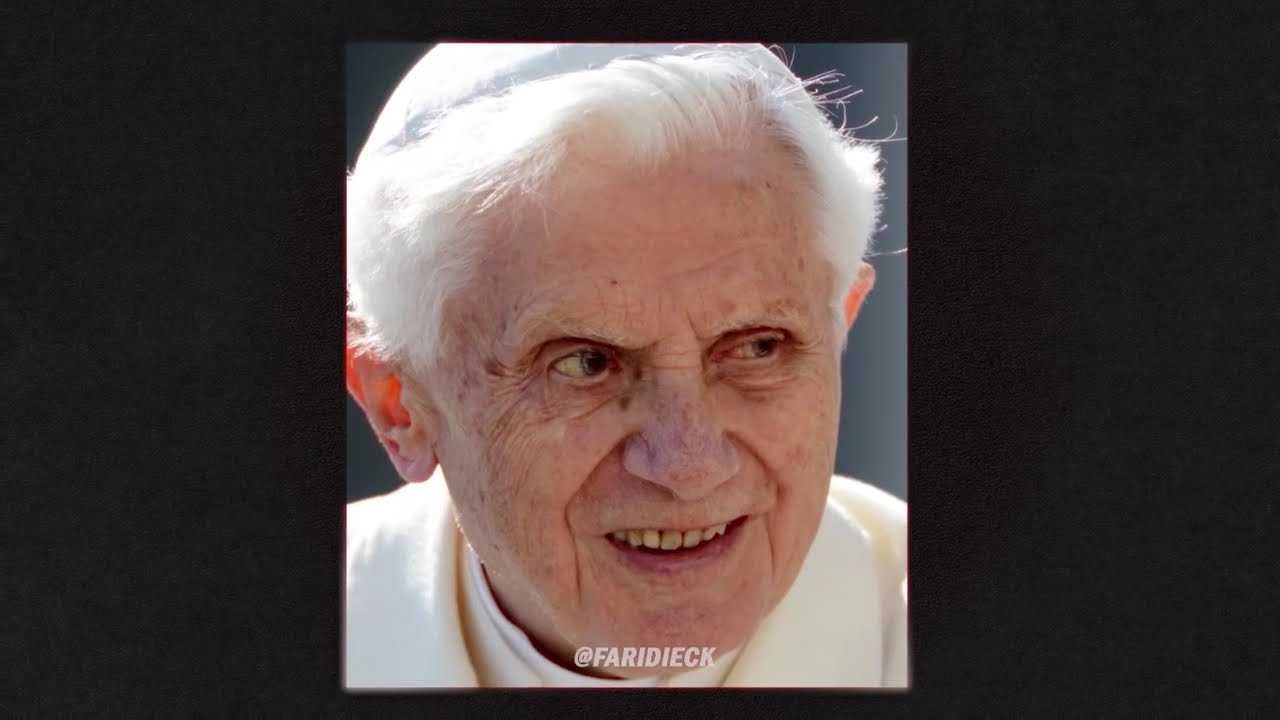
The story of the “Two Popes” is ultimately not about a winner or a loser, or about liberal versus conservative ideologies. It is a story about the intersection of human temperament and institutional necessity. It teaches us that leadership is not merely about holding power; it is about knowing when to release it. Joseph Ratzinger, the man who was branded a cold traditionalist, may go down in history as the man who loved the Church enough to allow it to change. He was not the villain of the story; he was a fallible human being who, facing the twilight of his life and the crumbling walls of his institution, made the hardest choice of all: to let go.
In a world obsessed with winning, maintaining control, and digging in one’s heels, the narrative of Benedict XVI offers a sobering reminder: sometimes, the most revolutionary thing a leader can do is acknowledge they are part of the past, and graciously step aside for the future