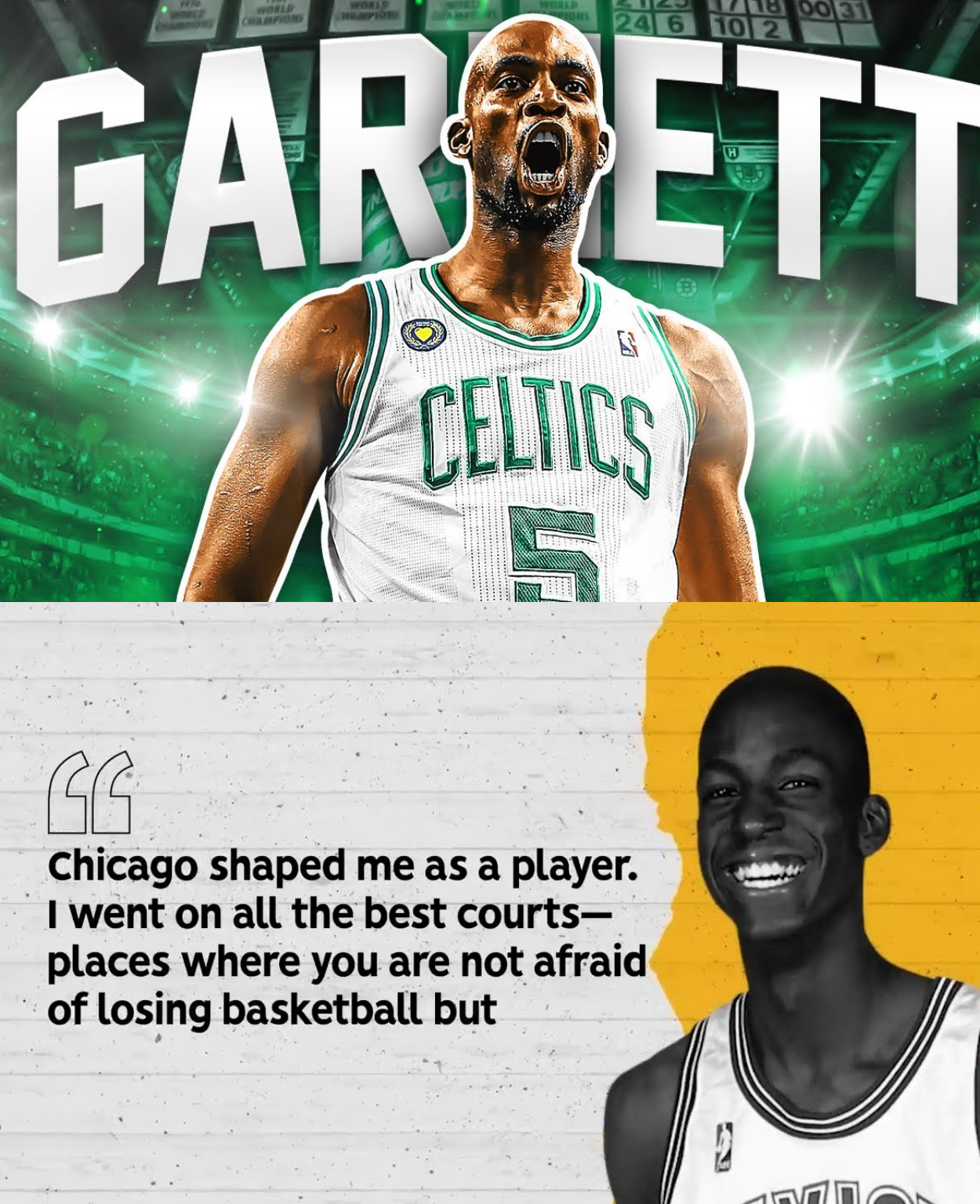
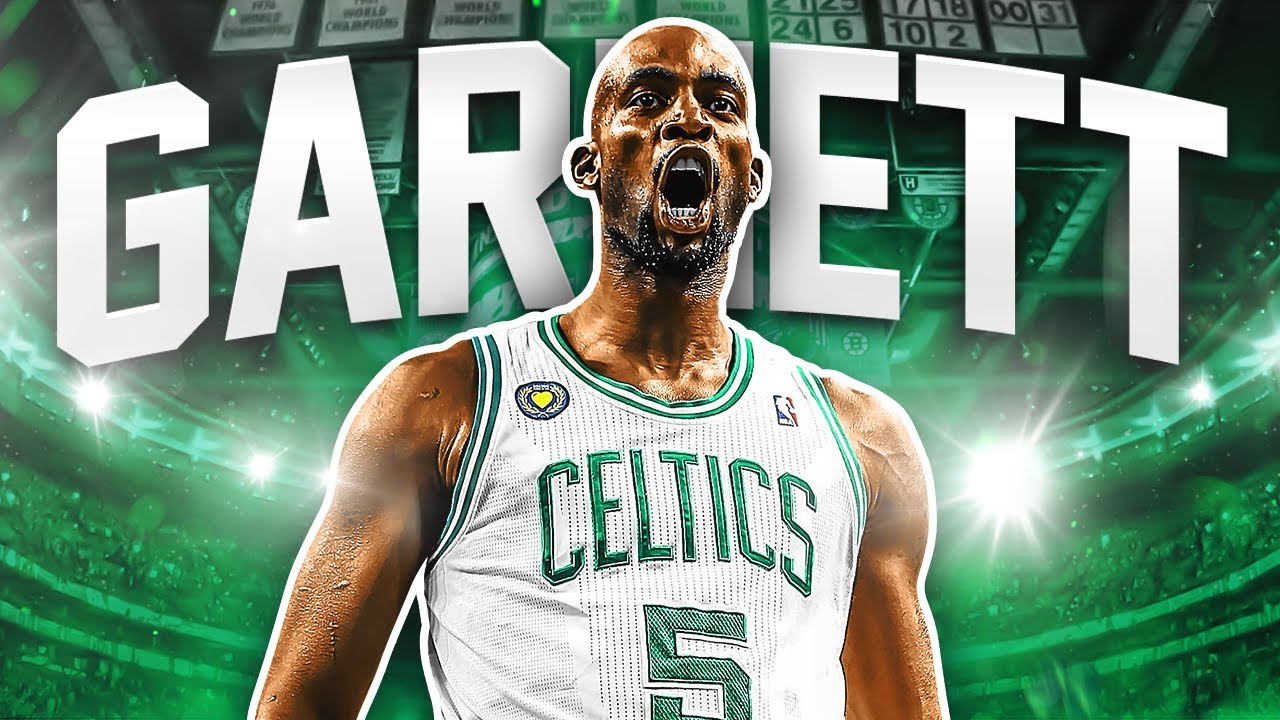
In the pantheon of basketball legends, few figures command the same visceral, terrifying respect as Kevin Garnett. Standing 6-foot-11 with an enormous 7-foot-5 wingspan, he was an anomaly—a basketball alien who could move with the agility of a guard, defend with the ferocity of a predator, and handle the ball with the precision of a floor general. He was the “Big Ticket,” a 15-time All-Star and an NBA champion whose manic intensity and legendary trash talk defined an era. But beneath the raw, unadulterated passion of the man who screamed “Anything is possible!” into the rafters, lies a story of profound frustration, misplaced loyalty, and the heartbreaking reality of what “could have been.”
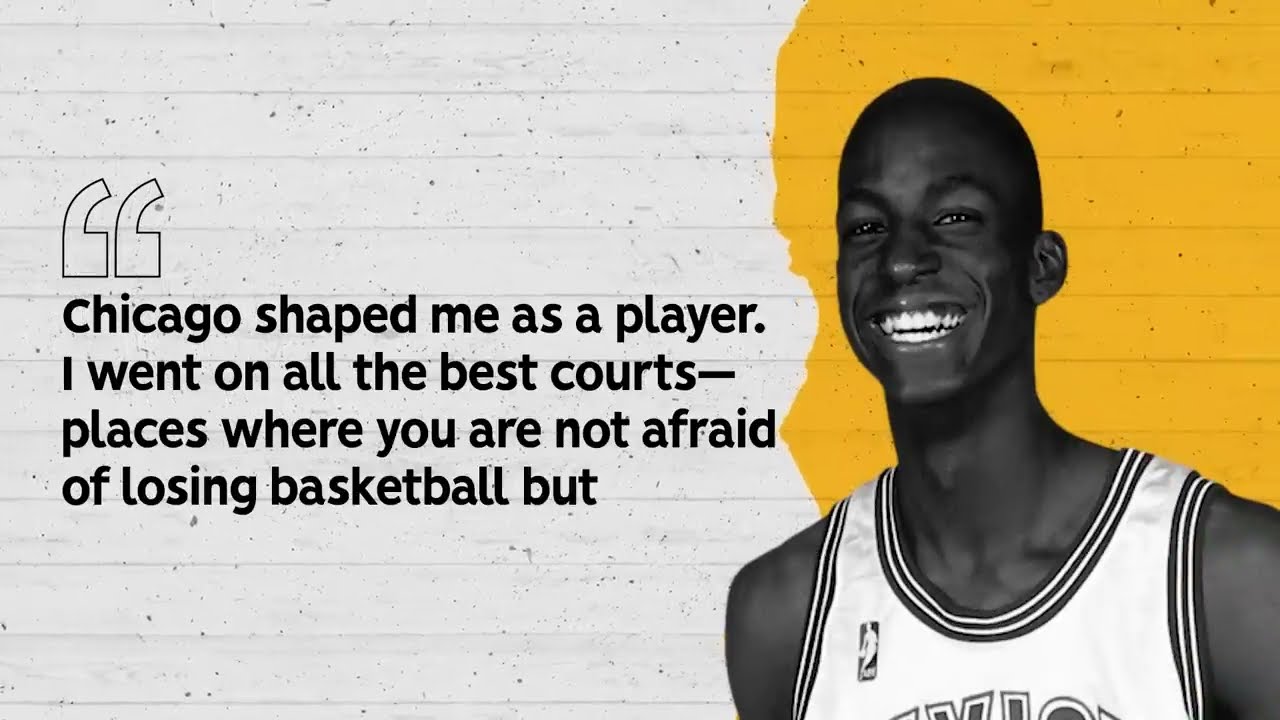
Born in the rural countryside of South Carolina, Garnett was a product of resilience. After a racial incident in his hometown forced him to relocate to Chicago for his senior year of high school, he channeled his energy into a singular obsession: basketball. He was a national phenom, but because of academic hurdles, he made the daring decision to bypass college and enter the 1995 NBA Draft. The Minnesota Timberwolves, seeing his freakish energy and unparalleled versatility, took the gamble. It was the beginning of a 12-year marriage that would eventually become a gilded cage.
In his prime, Garnett was arguably the most versatile basketball player to ever lace up a pair of sneakers. He was a master of the pick-and-roll defense, capable of switching onto the league’s quickest guards or battling the game’s most massive centers in the post. Offensively, he was a Swiss Army knife: a capable shooter, a dangerous post-scorer, and an elite passer. In 2004, he put together one of the most impressive seasons in NBA history, winning the MVP award with averages of 24.2 points, 13.9 rebounds, and 5 assists. It was the absolute peak of his versatility—a man who did everything, every night, at an elite level.
Yet, those years in Minnesota were defined by the weight of expectations he could not meet alone. The Timberwolves ownership, desperate to surround him with talent, often failed spectacularly. They gave money under the table to Joe Smith, lost future draft picks, and were caught in a cycle of mediocrity. Garnett, loyal to a fault, refused to demand a trade for years, despite the soul-crushing reality of seven consecutive first-round playoff exits. He was a man dying for a title, trapped in a franchise that simply did not have the organizational capacity to provide one. The agony was visible; in one infamous interview, Garnett broke down in tears, expressing a level of desperation that was as raw as it was heartbreaking.
When he was finally traded to the Boston Celtics in 2007, the league shuddered. Paired with Paul Pierce and Ray Allen, Garnett finally found the structure he had spent his entire prime craving. He sacrificed his own offensive numbers to become the defensive anchor of a title-winning juggernaut. He was the defensive heartbeat of the team, patrolling the paint, communicating coverages, and setting a tone of intensity that permeated the entire organization. In 2008, he finally reached the summit, winning his lone NBA championship. His scream during the post-game interview was the collective release of 13 years of pent-up professional frustration.
However, the late years of his career were defined by the inevitable toll of his manic style. A knee injury in 2009 sapped some of his athleticism, and while he remained a fierce competitor until he retired in 2016, the “Big Ticket” was no longer the all-consuming physical force he had been in his 20s. He had stints in Brooklyn and a final return to Minnesota, but the championship window had closed.
When we discuss where Kevin Garnett ranks among the all-time greats, the debate almost always circles back to the tragedy of his Minnesota tenure. If Garnett had been drafted by a well-run franchise—if he had landed in San Antonio instead of Minnesota, for instance—many analysts argue he would be considered the greatest power forward in the history of the sport, eclipsing even Tim Duncan. He possessed a level of intensity and emotional intelligence that was unmatched, and he remains the only player to reach the statistical milestone of 25,000 points, 10,000 rebounds, 5,000 assists, 1,500 steals, and 1,500 blocks.
Ultimately, Kevin Garnett’s legacy is not just about the numbers or the rings; it is about the way he played the game. He was a man who played with his heart on his sleeve, who loved his teammates with a ferocity that bordered on religious devotion, and who treated his opponents as enemies to be conquered. He was an “a-hole” to those he played against, a mentor to those he played with, and a madman to everyone who watched. He was the Big Ticket, and basketball has never seen, and likely never will see, anyone quite like him again.