For an entire generation, the imagery of a wide-eyed young boy with a lightning-bolt scar living under a cramped staircase is permanently burned into the collective cultural consciousness. When the first cinematic adaptation of J.K. Rowling’s magical universe hit theaters more than two decades ago, nobody could have truly predicted the absolute cultural juggernaut it would become. The young child actors at the center of this multi-billion-dollar storm instantly became the most famous children on the planet, carrying the immense financial weight of a global franchise on their tiny shoulders. However, time moves forward relentlessly. Today, the legendary child stars of Hogwarts are no longer children. The golden illusion of movie magic has faded, revealing a collection of adults who have taken vastly different, sometimes inspiring, and occasionally tragic paths in the real world.
The transition from a highly pigeonholed childhood character to a respected adult professional is one of the most treacherous paths in the entertainment industry. Perhaps no one navigated this shift with greater intellectual grace than Emma Watson. Known globally as the brilliant, rule-abiding Hermione Granger, Watson chose to mirror her on-screen character’s dedication to academia ]. After the final curtains closed on the wizarding world, she intentionally stepped away from the Hollywood machine to secure a degree in English Literature from the prestigious Brown University. Watson gracefully transformed her global platform into a weapon for social change, stepping into the role of a UN Goodwill Ambassador and launching the highly influential global gender equality movement. Today, she stands not just as a former child star, but as an elegant, deeply cultured, and powerful voice for modern intersectional feminism.
In stark contrast to Watson’s smooth transition, the boy who carried the literal title of the franchise, Daniel Radcliffe, endured a far more chaotic and agonizing battle behind closed doors Thrown into the blinding spotlight of global superstardom at the tender age of eleven, Radcliffe carried an impossible burden of expectation. To cope with the suffocating pressure and the terrifying dread of what his life would look like after Harry Potter, the young actor secretly descended into severe alcoholism during the final years of filming. Recognizing that his life was spinning dangerously out of control, Radcliffe made the courageous decision to achieve absolute sobriety in 2010. Since then, his artistic evolution has been nothing short of radical. Rather than chasing easy commercial payouts in mainstream blockbusters, Radcliffe intentionally sought out the most bizarre, challenging, and boundary-pushing roles in independent cinema and raw theater—playing everything from a flatulent corpse to a naked protagonist on stage—solidifying his status as one of the most daring and respected character actors of his generation.
The third member of the iconic golden trio, Rupert Grint, took an entirely different approach to his post-Hogwarts life .Always the most laid-back of the group, Grint consciously chose to completely reject the exhausting hustle and superficial glamour of Hollywood. He spent his early post-potter years fulfilling a wholesome childhood dream by purchasing and driving his very own local ice cream truck. After stepping away to enjoy the peace of private life and welcoming his first child into the world in 2020, Grint made a spectacular, mature return to acting. He delivered a chilling, critically acclaimed performance in the psychological thriller series Servant, showing a much darker, deeply complex artistic depth that proved his natural acting talents had never truly faded.
The magical franchise also served as a brief launching pad for actors who would go on to redefine entirely separate cinematic universes. Robert Pattinson, who captured hearts as the tragic golden boy Cedric Diggory, used his brief appearance to catapult himself into the historic teen phenomenon of Twilight . Deeply frustrated by the intense public scrutiny and the threat of permanent artistic pigeonholing, Pattinson aggressively pivoted into the gritty world of cult independent cinema. He spent years working alongside auteur directors, delivering unhinged, psychologically complex performances that eventually forced the industry to take him seriously. Today, his incredible artistic redemption arc is complete, with audiences worldwide celebrating him as the dark, brooding face of the modern Caped Crusader in Batman.
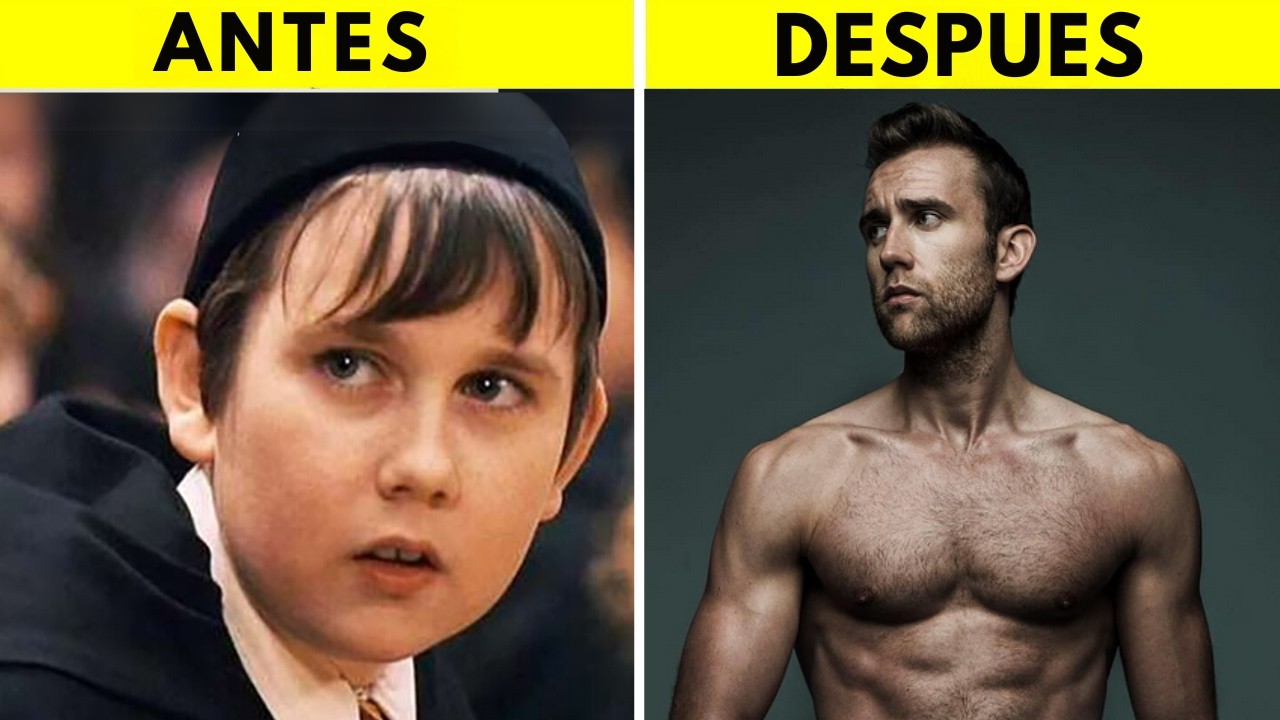
However, the psychological weight of childhood villainy presented its own unique trauma for Tom Felton . As the snobbish Draco Malfoy, Felton spent his formative years being actively despised by children worldwide. In his raw, deeply personal 2022 memoir, Felton shattered the glamorous myth of his youth, bravely exposing his severe battles with mental health crises and a devastating emotional dependency on alcohol that ultimately forced him to check into a locked rehabilitation facility. His journey since has been one of beautiful reconciliation, using his social media platforms to open up raw conversations about emotional healing and mental health awareness. While Felton fought his inner demons, his screen rival Matthew Lewis underwent what the internet universally considers the ultimate physical transformation . The young boy who played the clumsy, buck-toothed Neville Longbottom shocked the global media landscape by re-emerging as a chiseled, highly sophisticated leading man, carving out a steady, deeply respected career across premium British television dramas.
For the female supporting cast, life after magic became an opportunity for intense real-world activism. Bonnie Wright, who grew up on screen as Ginny Weasley, chose to transition her artistic energy behind the camera lens. After studying filmmaking in London, she evolved into a conscious director and an incredibly fierce environmental activist, working extensively alongside global organizations like Greenpeace to champion climate change awareness. Meanwhile, Evanna Lynch, who portrayed the eccentric Luna Lovegood, shared a deeply spiritual connection with her character . Before ever stepping onto a movie set, Lynch was an ordinary fan waging a life-or-death battle against severe anorexia. Her personal letters to J.K. Rowling famously helped save her life, leading to an open audition where she perfectly embodied the purest soul in the cast. Today, Lynch has transformed that platform into passionate animal rights advocacy with PETA and authored powerful, unflinching memoirs detailing her journey through eating disorders and emotional healing.
Tragically, the intense pressures of the industry broke some individuals completely. The most devastating and sobering cautionary tale within the Hogwarts alumni belongs to Jamie Waylett, the actor who portrayed Draco Malfoy’s brutish sidekick, Vincent Crabbe . While his young co-stars were utilizing their fortunes to build production companies and charities, Waylett’s personal life descended into total criminal chaos. In 2009, a severe drug arrest forced producers to completely erase him from the final two cinematic installments of the franchise. His downward spiral reached a catastrophic climax in 2011 when he was arrested during the violent London riots, caught carrying a live molotov cocktail and participating in street looting. Sentenced to two years in federal prison, Waylett completely vanished into total obscurity, serving as a heartbreaking reminder of the real-world casualties of sudden, unmanaged childhood fame.
Finally, the realities of the real world also brought ugly cultural truths to light for Katie Leung, who played Harry’s first romantic interest, Cho ChangYears after the films concluded, Leung bravely shattered her silence regarding the horrific, isolating online racist abuse she was subjected to by toxic factions of the fandom while she was just a vulnerable teenager, exposing the lack of emotional protection provided to young minority actors at the time. Her continuous survival and steady work in premium British theater stands as a powerful testament to her personal resilience.
Ultimately, checking in on the cast of Harry Potter reveals a profound truth that no spell or potion could ever fix. The true magic of their journeys does not lie in the fictional triumphs of Gryffindor or Slytherin, but in the raw, messy, and deeply human ways these individuals fought to reclaim their identities from the crushing jaws of a global phenomenon. They survived the ultimate childhood fishbowl, proving that the lives they have built after leaving Hogwarts are infinitely more fascinating than the movies that made them famous.