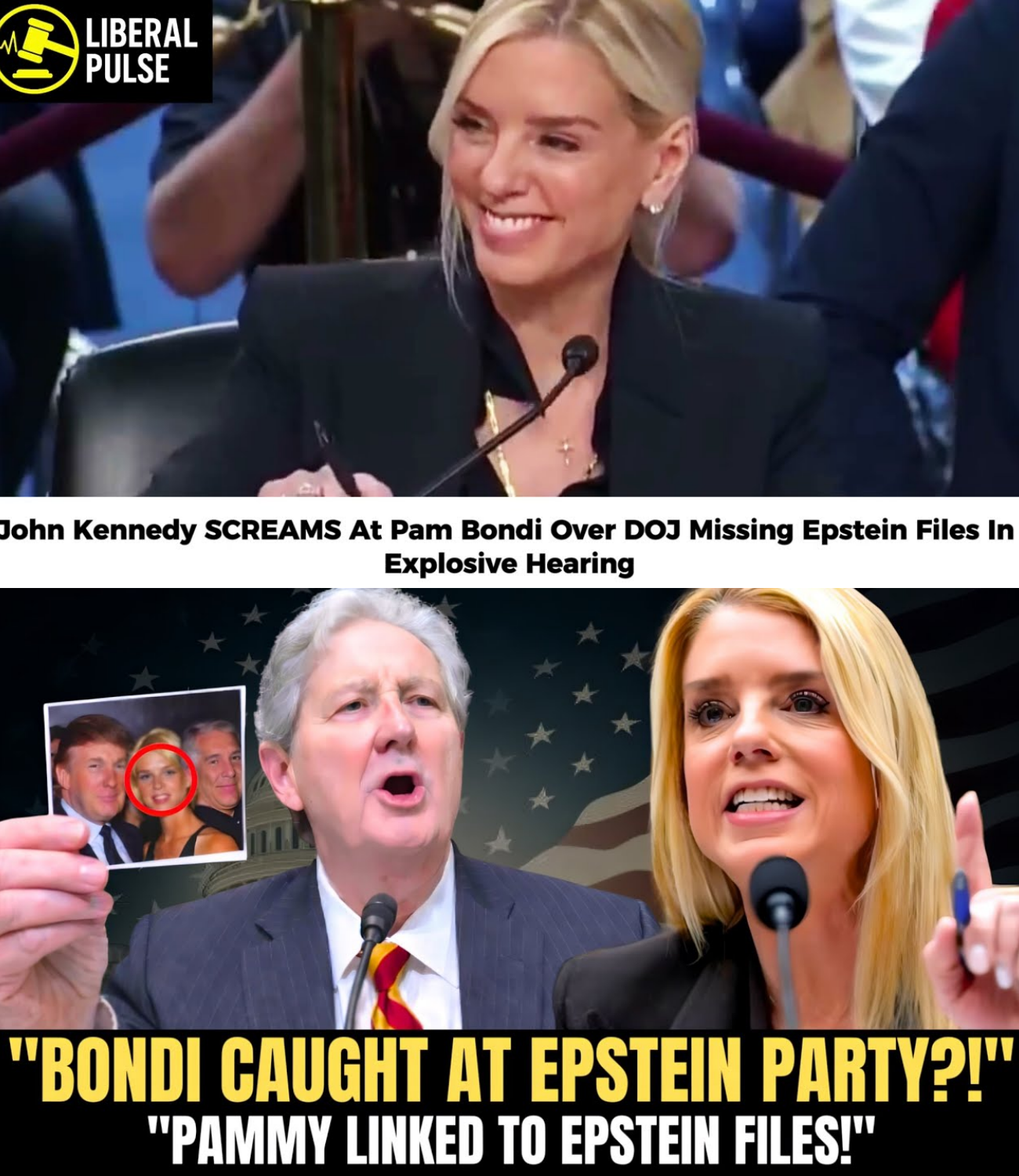
The Shadow of the Epstein Scandal: Why Accountability Remains Elusive
Years after his crimes first shocked the world, the Jeffrey Epstein scandal remains a dark, persistent cloud hanging over the highest levels of power. Despite countless investigations, government file releases, and public hearings, the most critical questions regarding his network remain unanswered. The public’s demand for transparency has been met with partial disclosures, heavy redactions, and a growing sense of frustration. That tension reached a boiling point during a recent Senate hearing, where Senator John Kennedy directly challenged Attorney General Pam Bondi, exposing the persistent gaps in the Department of Justice’s handling of the case.
A Test of Authority and Transparency
The confrontation between Senator Kennedy and Attorney General Bondi was not just a procedural exchange; it was a masterclass in highlighting the perceived imbalance in the justice system. Kennedy utilized a series of hypothetical scenarios to question the thoroughness of the DOJ’s investigative efforts. By probing how the department handles the delicate process of obtaining phone records—specifically those belonging to sitting United States senators—Kennedy underscored the gravity of such investigations.
His line of questioning focused on the legal necessity of “probable cause” and the role of third-party telecommunications companies in potentially challenging government overreach. While Bondi maintained a professional stance, citing her inability to comment on the facts of specific, ongoing matters, Kennedy’s focus was clear: he was interrogating the system’s willingness to pursue leads with the same vigor regardless of who might be implicated. His frustration echoed a sentiment shared by many Americans: that the Epstein investigation has been marred by hesitation, potential conflict of interest, and a lack of aggressive pursuit when dealing with influential figures.
The “Greatest Blackmailer” Allegation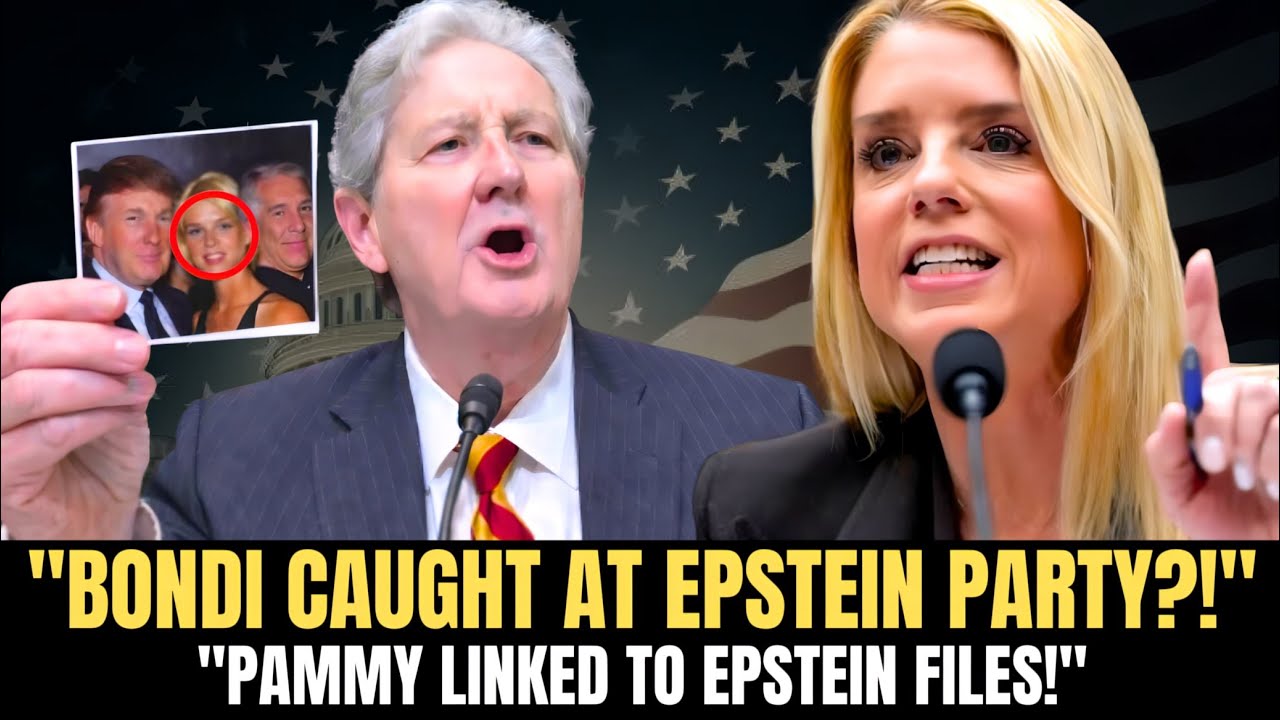
The hearing took an even more dramatic turn when Senator Kennedy shifted the conversation to commerce secretary Howard Lutnik’s recent public comments. In a prior interview, Lutnik, who was once Epstein’s next-door neighbor, described the financier as the “greatest blackmailer ever.” Lutnik went further, alleging that Epstein did not merely run a trafficking operation, but a sophisticated system of surveillance designed to leverage compromising material against powerful individuals. Lutnik claimed that those associated with Epstein “participated” in his activities rather than ignoring them.
When Kennedy pressed Bondi on whether the Department of Justice had interviewed Lutnik regarding these explosive allegations, the answer was a stark “no.” Bondi’s assertion that the department would be open to speaking with witnesses if they came forward voluntarily drew immediate criticism. For many, this response highlighted a passive investigative approach that contrasts sharply with the severity of the crimes involved. If a prominent figure is publicly alleging that a massive, historical blackmail operation was orchestrated by Epstein, the lack of an immediate, proactive follow-up from the DOJ serves only to fuel skepticism and accusations of a two-tier justice system.
The Perpetual Search for Truth
The Epstein case has been characterized by a cycle of hope and disappointment. Each time the DOJ releases a new batch of documents, the public expects closure. Instead, these releases often trigger fresh waves of controversy, as critics point to missing names, unexplained timelines, and the thousands of pages that remain sealed. Watchdog groups, journalists, and various lawmakers have argued that a significant portion of evidence remains hidden within government archives.
This environment of secrecy is precisely what sustains the conspiracy theories and deep-seated distrust in federal institutions. The perception of an unresolved, shielded narrative is not merely a political talking point; it is a fundamental issue of accountability. Survivors of Epstein’s abuse and their advocates remain the most affected by this lack of clarity, as they continue to fight for a full accounting of everyone who enabled or participated in the abuse.
A Demand for Equal Justice
Senator Kennedy’s performance at the hearing captured the core of the issue: the necessity for the justice system to operate without fear or favor. When lawmakers ask questions about phone records, witness interviews, and investigative oversight, they are reflecting the public’s belief that justice must be applied equally to all, from the average citizen to the most powerful official in Washington.
The Epstein scandal is unique not just for its depravity, but for the breadth of its reach across social, political, and economic elites. The reluctance to aggressively untangle these connections is why the story refuses to fade. It has become a symbol of a broader systemic problem where the truth is often buried under the weight of political protection. As the hearing made evident, even years later, the public and their representatives are not satisfied with the status quo. They are demanding that investigators follow every lead, no matter how uncomfortable, and they are refusing to let the full truth of the Epstein network be swept under the rug.
Ultimately, the goal of these investigations should be to ensure that such a network can never operate again. Without transparency, the shadow of Jeffrey Epstein will continue to loom over the American justice system, serving as a reminder that until the full story is uncovered, justice remains incomplete.
Full video: