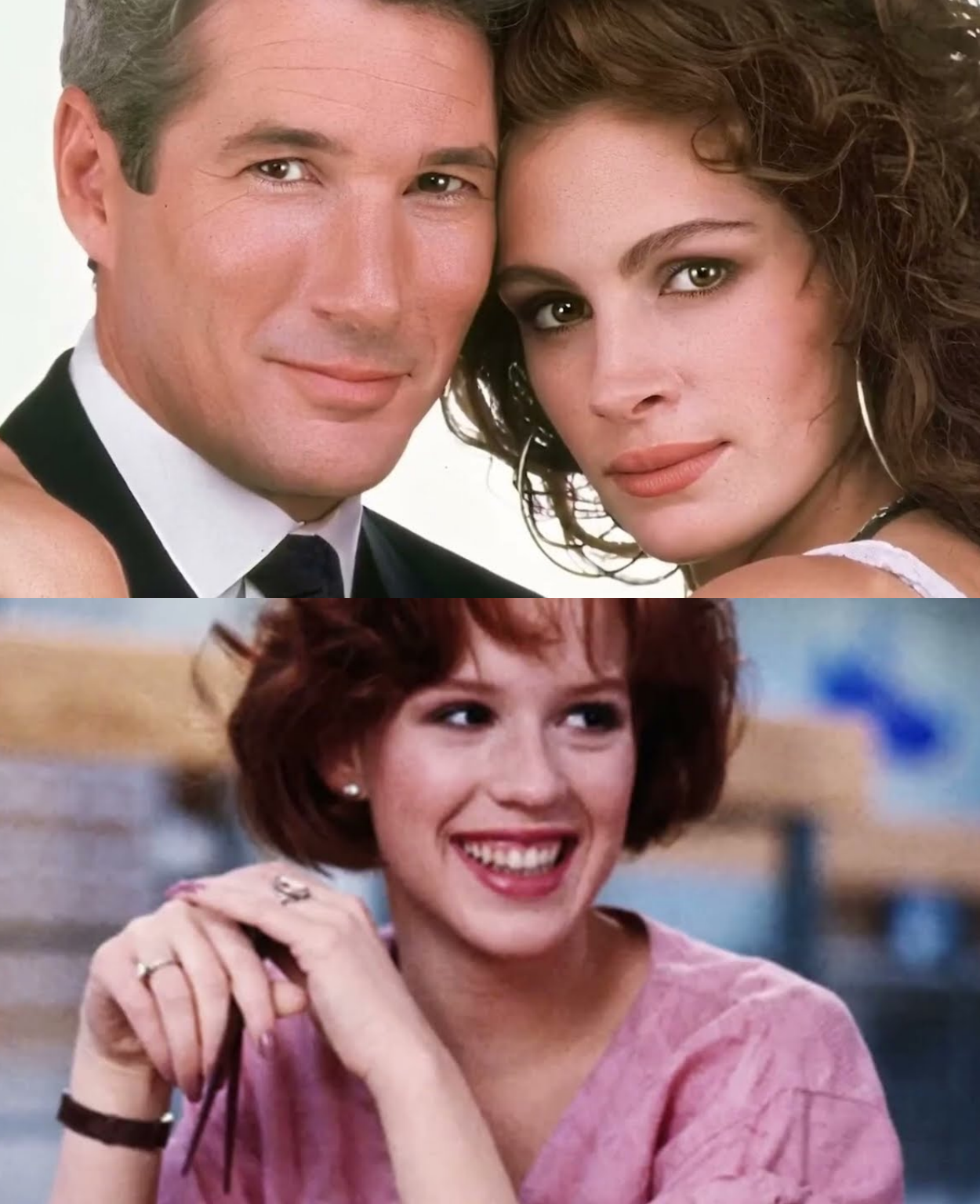
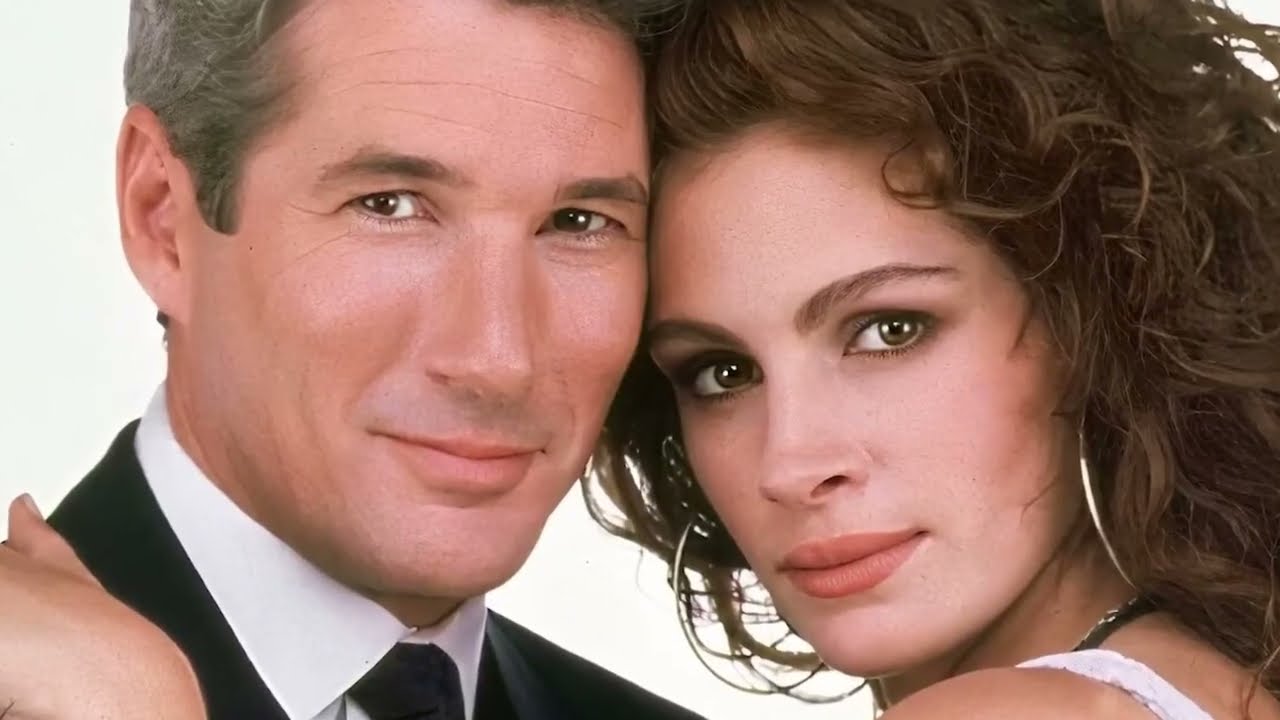
Pretty Woman stands as one of the most cherished romantic comedies in cinematic history, a modern-day Cinderella story that defined the 1990s. With its magnetic leads, Richard Gere and Julia Roberts, and a premise that captured hearts worldwide, it’s easy to assume the production was a flawless machine from start to finish. However, as any film buff knows, the road to cinematic greatness is rarely paved without a few bumps, blunders, and surprising improvisations.
From original scripts that looked nothing like the finished product to infamous continuity errors that still baffle eagle-eyed viewers, the story of Pretty Woman is as fascinating as the film itself.
A Different Kind of Script
Few fans realize that the movie we know today began as a dark, gritty drama titled $3,000. In the original draft by J.F. Lawton, the story didn’t have the whimsical, fairy-tale ending audiences fell in love with. Instead, it tackled more controversial themes, including substance addiction, and portrayed a much more complex, tense dynamic between the leads. It wasn’t until Disney acquired the rights and brought in director Gary Marshall—a comedy powerhouse—that the film underwent a complete tonal shift. The “House of Mouse” pushed for a story about an escort with a “heart of gold,” transforming the dark drama into the lighthearted, romantic fairy tale that became an international hit.
Continuity Chaos: The Shape-Shifting Breakfast
If you look closely, Pretty Woman is riddled with the kind of continuity errors that have turned movie-watching into a spectator sport. The most infamous is the “shape-shifting breakfast” scene. During a morning meal, Vivian is seen eating a croissant, but in a subsequent cut just seconds later, the pastry magically transforms into a pancake—complete with a bite taken out of it. It’s a classic editing mishap that occurred because the final sequence was stitched together from various takes. Whether the continuity checker was asleep on the job or just overwhelmed, it remains one of the most talked-about mistakes in major film history.
Costume Miracles
The film’s wardrobe is as iconic as its dialogue, but the creation of those legendary looks was often a struggle. The famous red vintage jacket that Vivian wears over her mini-dress was actually a last-minute find. The crew had completely forgotten the jacket described in the script, leading to a minor panic. In a stroke of luck, they spotted a cinema usher on the street and purchased his jacket for a mere $30. Similarly, the iconic off-the-shoulder red gown at the opera was almost scrapped by the studio, which insisted on a “mundane black dress.” Costume designer Marilyn Vance fought for the red gown, recognizing it as a symbol of Vivian’s bold transformation.
Casting Chemistry and Real-Life Magic
The pairing of Julia Roberts and Richard Gere is now legendary, but it was far from guaranteed. The role of Edward was offered to numerous Hollywood heavyweights—including Al Pacino, Denzel Washington, and Daniel Day-Lewis—before Gere finally agreed to sign on. His hesitation stemmed from the character’s initially cold and manipulative nature in early drafts. It was Julia Roberts herself who helped seal the deal. In a moment of pure movie magic, she visited Gere’s apartment with a humble Post-it note that simply read, “Please say yes.” The sincerity of her plea convinced him to take the part, and the rest is cinematic history.
The Human Side of Hollywood
Behind the scenes, the stars were not immune to the pressures of filming. Julia Roberts famously developed a case of hives and a literal “runaway vein” on her forehead due to nerves during intimate scenes—a problem the director personally helped soothe. Meanwhile, director Gary Marshall was known for his playful tactics, reportedly tickling Roberts’ feet off-camera to elicit genuine, hysterical laughter for specific scenes, ensuring the emotion felt real, not rehearsed.
Despite being produced on a modest budget of $14 million, Pretty Woman went on to gross over $360 million worldwide. It wasn’t just a hit; it was a cultural phenomenon that cemented Roberts and Gere as one of the greatest on-screen couples in history. It serves as a testament to the fact that even with continuity errors, wardrobe panics, and casting dilemmas, a great story, driven by genuine heart, will always find its audience.