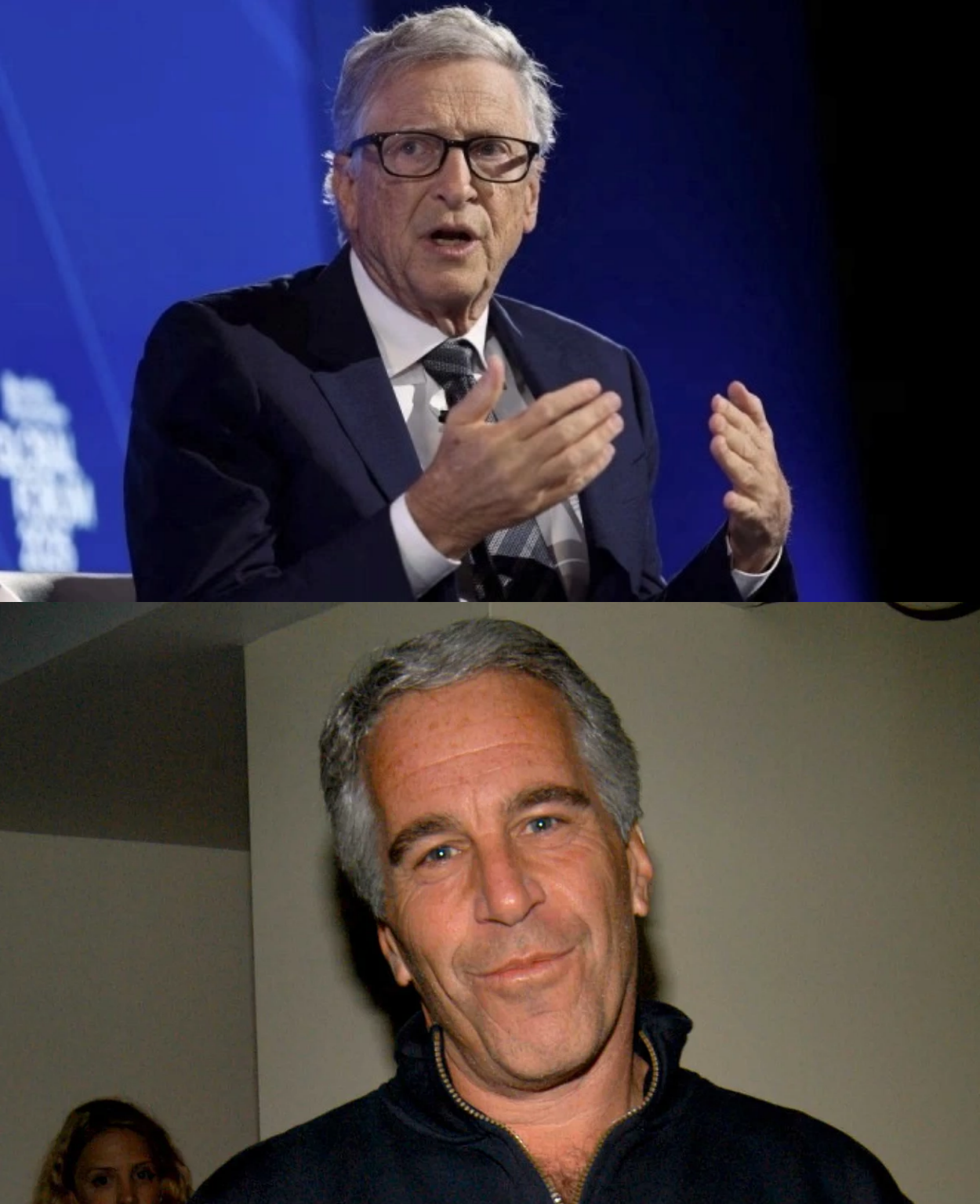
For decades, the name Bill Gates was universally synonymous with technological revolution, corporate brilliance, and unprecedented global philanthropy. The Microsoft co-founder was celebrated across the globe as a profound visionary, a man whose towering intellect not only put a personal computer on almost every desk but who also actively sought to eradicate polio, combat malaria, and solve the world’s most complex health crises. He was widely considered the ultimate archetype of the benevolent billionaire. But today, that carefully curated, pristine legacy is facing its most severe and agonizing stress test to date. Stepping far away from the sanitizing glow of his foundation’s charitable work, Gates recently found himself navigating the harsh, unforgiving corridors of the United States Capitol to face intense, targeted questioning from federal lawmakers. The critical topic of discussion was not artificial intelligence, international tax policy, or global health initiatives. Instead, Gates was summoned to answer for his deeply troubling, prolonged relationship with the late, disgraced financier and convicted sex offender, Jeffrey Epstein.

In a grueling, closed-door deposition that lasted for nearly six hours, the tech magnate was heavily grilled by members of the House Oversight Committee. This powerful bipartisan panel is currently conducting a sweeping, aggressive investigation into the government’s historical handling of the Epstein case, desperately trying to unearth exactly how a man running an international sex trafficking ring managed to consistently evade justice for so long while actively mingling with the world’s absolute most powerful elites. For Gates, the hearing represented a humiliating, highly visible public reckoning. In a prepared opening statement provided to the committee, he bluntly categorized his interactions with Epstein as a “grave error in judgment.” It was a stark, sobering admission from a man completely accustomed to being the smartest person in any given room, acknowledging a colossal, highly damaging moral blind spot that has fundamentally shifted how the world perceives him.
The core defense mounted by Gates during the intense congressional scrutiny centers entirely around the mirage of massive philanthropy. According to the billionaire, his initial introduction to Epstein in 2011 was predicated entirely on the false promise of securing unprecedented funding for global health projects. Epstein aggressively positioned himself as a highly connected financial wizard, a man who possessed the unique ability to quietly wrangle billions of dollars from ultra-wealthy individuals navigating complex tax and estate services. Gates testified that he engaged in repeated meetings with the financier, strictly believing that tolerating the presence of a controversial figure was a necessary, pragmatic evil if it meant unlocking vast new resources to save human lives in developing nations. “In the work I do, reputation is the basis for developing partnerships that save lives,” Gates solemnly noted. “Meeting with Epstein was a grave error in judgment and put this work at risk.”
However, lawmakers actively pressed the billionaire on the glaring timeline of these interactions. By the time Gates began holding regular dinners and meetings with Epstein in 2011, the financier was already a registered, convicted sex offender. Epstein had notoriously pleaded guilty in a highly controversial 2008 Florida deal to soliciting a minor for prostitution. To the general public and to the probing congressional committee, it remains completely baffling why a man with the endless resources, rigorous vetting teams, and the pristine public image of Bill Gates would willingly choose to associate with a known predator, regardless of the potential philanthropic payout. Representative Robert Garcia, the top-ranking Democrat on the committee, publicly described Gates’ actions as “a horrific judgment call,” emphasizing that Gates was fully aware he was interacting with a man convicted of a horrific crime just to seek money for his foundation.
The most explosive and cinematic revelation to emerge from the sprawling congressional testimony involves a terrifying tale of coercion and attempted blackmail. Gates explicitly detailed to the committee how the relationship with Epstein rapidly soured when it became completely obvious that the promised billions in charitable funds were nothing more than a carefully constructed illusion. By late 2014, Gates claims he definitively severed all ties and completely stopped communicating with the financier. But Epstein, a man who notoriously thrived on leverage and manipulation, refused to be quietly discarded by one of the richest men on earth.
According to Gates’ highly emotional testimony, Epstein had somehow acquired highly sensitive, damaging information regarding the tech mogul’s deeply personal life—specifically, the fact that Gates had engaged in secret extramarital affairs. Previous media investigations have reported that these infidelities involved a Russian bridge player and a Russian nuclear physicist. Gates stated that Epstein aggressively weaponized this private information, layering it with fabricated lies, in a desperate, predatory attempt to violently pressure him into re-engaging in their stalled financial partnership. While Gates maintains that he did not cave to the aggressive blackmail attempts, the sheer audacity of the threat vividly highlights the incredibly dark, toxic methods Epstein utilized to trap powerful men within his compromising orbit.
Throughout the grueling hours of questioning, Gates remained absolutely steadfast in his assertion that he was entirely blind to the dark reality of Epstein’s ongoing criminal enterprise. “I want to state very clearly: I never witnessed nor had any indication that Epstein was engaged in ongoing criminal conduct,” Gates declared to the committee. He emphatically reiterated that his interactions were strictly limited to professional meetings and formal dinners. He vehemently denied ever traveling to Epstein’s notorious private island in the Caribbean, visiting his sprawling New Mexico ranch, or stepping foot in his luxurious Florida estate. He stated with absolute certainty, “I have never victimized anyone.”
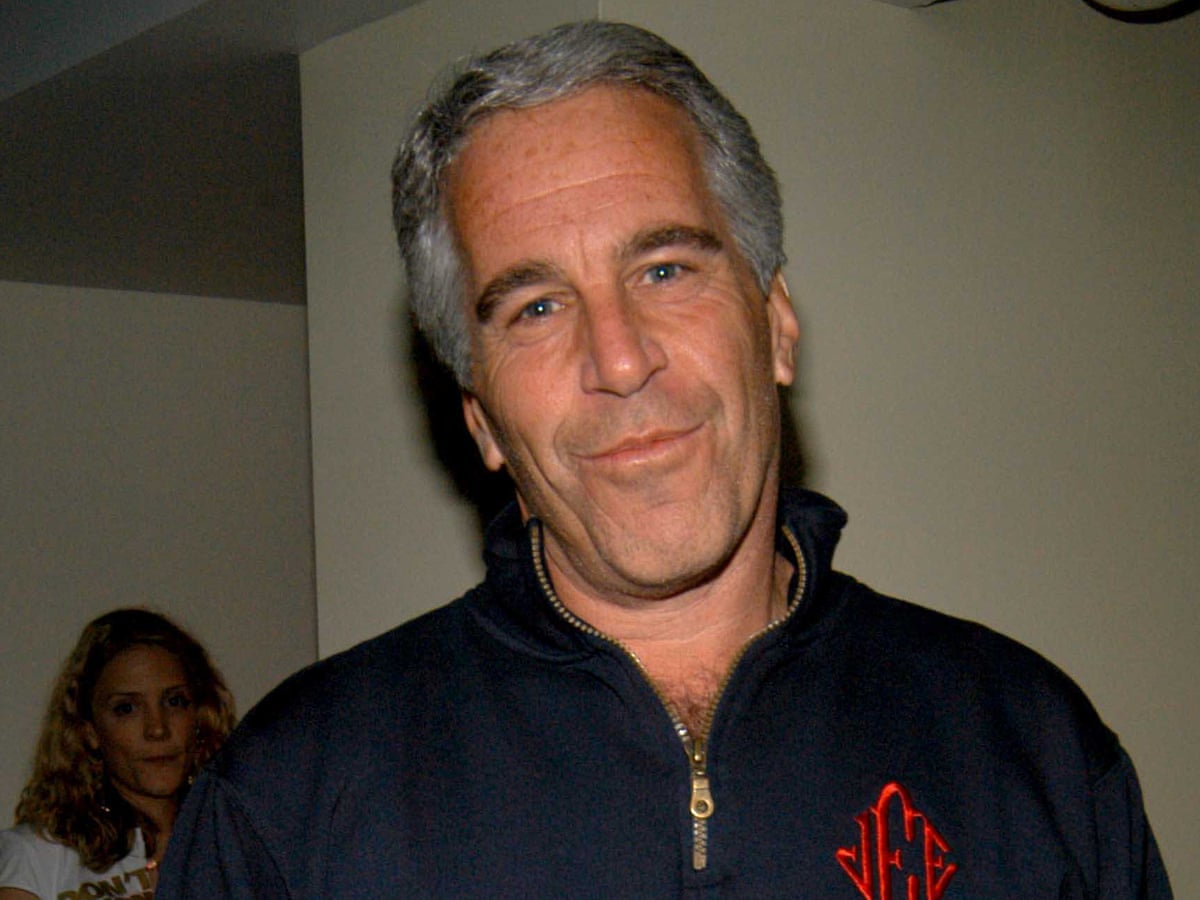
Despite these firm denials of criminal complicity, the catastrophic fallout from simply appearing in Epstein’s notorious orbit has already cost Gates dearly. The sheer proximity to the disgraced financier served as the toxic catalyst that ultimately fractured one of the most powerful philanthropic partnerships in history. Melinda French Gates, his former wife of twenty-seven years, reportedly raised severe, highly vocal concerns about Epstein as early as 2013 after she briefly met the man and was instantly repulsed by his character. The painful revelation that Gates flagrantly ignored her accurate instincts and continued the relationship for at least another year caused an irreparable breach of trust. In subsequent interviews following their massive 2021 divorce, French Gates explicitly cited his baffling association with Epstein as a major, unavoidable factor in the total collapse of their marriage.
The extensive congressional inquiry led by Committee Chairman James Comer is far from over. The committee has already dragged several other high-profile figures, billionaires, and former cabinet members into the glaring spotlight, aggressively seeking to map out the exact architecture of Epstein’s sprawling network of complicity. Lawmakers are determined to understand how federal agencies like the Justice Department historically failed the countless young victims by offering sweetheart plea deals to a monstrous predator solely because he was insulated by extreme wealth and powerful friends.
For Bill Gates, the closed-door testimony may have mercifully concluded, but the heavy, suffocating shadow of his “grave error” will likely linger for the rest of his life. It serves as a profound, deeply unsettling modern parable about the blinding nature of elite hubris. It brutally demonstrates that in the highest echelons of extreme wealth and global power, the reckless pursuit of a seemingly noble end does not justify associating with profoundly evil means. The man who revolutionized the digital age is now intimately discovering that while computer code can be easily rewritten and debugged, a severely compromised legacy is infinitely harder to repair.