In the quiet suburbs of Norwood Park, Chicago, the 1970s were marked by a string of disappearances that initially went unnoticed by the wider public. Young men, often drifters or those seeking work, vanished into thin air, leaving behind frantic families and a baffled police force. For years, these disappearances were treated as isolated incidents—runaways or hitchhikers moving on to the next town. In reality, they were the prey of one of the most prolific and sadistic serial killers in American history: John Wayne Gacy.
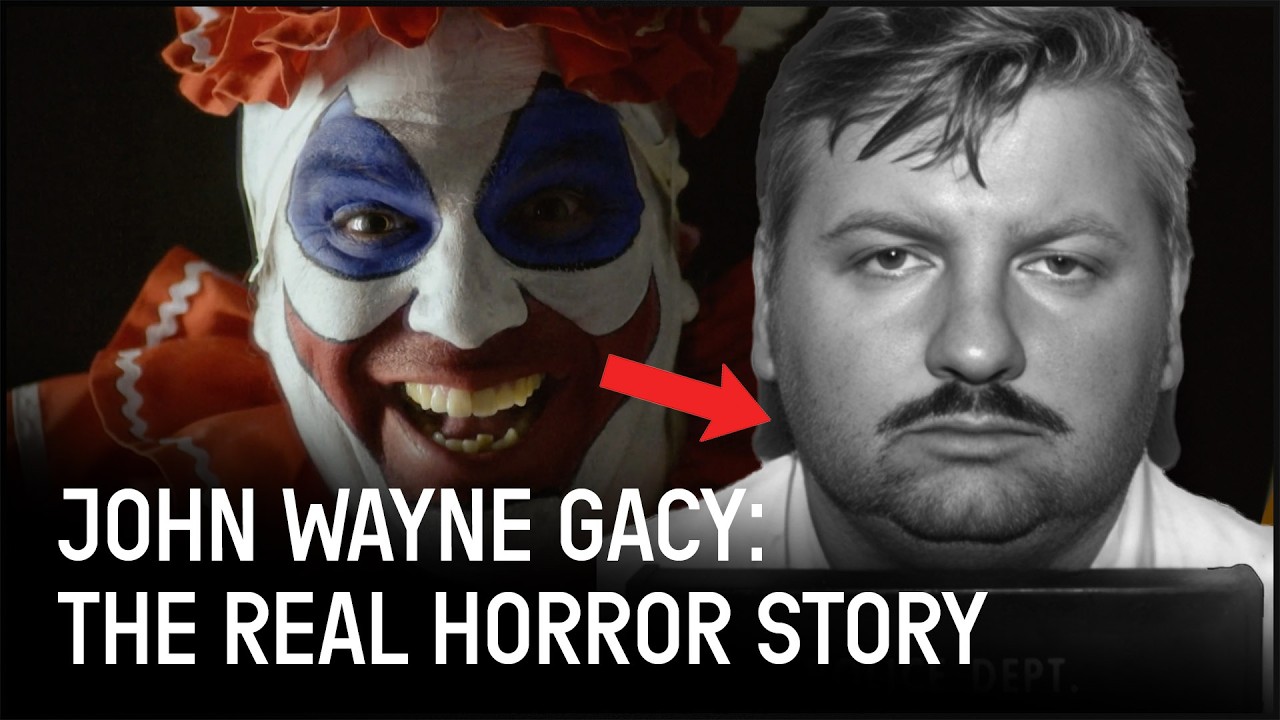
Gacy was the antithesis of the stereotypical monster. He was a respected businessman, a precinct captain, and an active member of his community. He was the kind of neighbor who took pride in his garden and was always willing to lend a hand. Most chillingly, he cultivated a public persona as “Pogo the Clown,” performing at birthday parties and hospitals, effectively weaponizing his role as an entertainer to shield himself from suspicion. He lived in plain sight, his friendly, approachable demeanor acting as the perfect camouflage for a depraved predator.
The unraveling of Gacy’s double life began with the disappearance of 15-year-old Robert Piest in 1978. Unlike the transient victims who had vanished previously, Robert was a model student with a close-knit family. His sudden disappearance on the night of his mother’s birthday set off a desperate alarm. When police investigation linked the teenager’s last known location to a meeting with Gacy, the cracks in the contractor’s facade finally began to appear.
Lieutenant Joe Kosenzac of the Des Plaines Police Department spearheaded the investigation. Despite Gacy’s arrogance and attempts to misdirect the police, Kosenzac was relentless. Through a painstaking search of Gacy’s property, investigators discovered a dark, underground dungeon—a crawl space that held the remnants of a mass grave. As the investigation unfolded, the horrors beneath the house on Summerdale Avenue came to light. Police recovered 27 bodies from the crawl space, with others found on the property and in the nearby Des Plaines River. In total, Gacy confessed to the murder of 33 young men.
The documentary details of the case reveal the terrifying methodology of Gacy’s crimes. He preyed on the vulnerable, often using the promise of employment or drugs to lure young men into his car. Once inside his home, the facade vanished. Gacy subjected his victims to hours of sexual torture and abuse before strangling them. His lack of remorse was absolute; he viewed his victims as objects, as disposable as trash, and the discovery of his graveyard was met with a chilling detachment.
One of the most profound aspects of the case is the way Gacy leveraged his position in society to evade detection for so long. Even when he was arrested for minor offenses or questioned about previous disappearances, his reputation as an upstanding citizen protected him. It was only through the courage of victims like Jeffrey Rignel, who survived a brutal abduction and staged his own investigation, and the persistence of Detective Kosenzac, that the monster was finally unmasked.
Gacy’s defense attempted to lean on a plea of insanity, claiming he was not responsible for his actions. However, the methodical nature of his crimes and his clear attempts to cover his tracks dismantled this argument in court. In 1980, a jury found him guilty on all 33 counts of murder and sentenced him to death.

The legacy of John Wayne Gacy continues to haunt American culture. He became the prototype for the “killer clown” archetype, a figure that has since been exploited in film and horror media. Yet, the real-world impact of his crimes transcends any cinematic portrayal. He destroyed dozens of families and left an indelible scar on the communities he infiltrated.
Ultimately, the story of John Wayne Gacy serves as a grim warning about the nature of evil. It challenges the notion that monsters are always recognizable by their appearance or their antisocial behavior. Gacy thrived because he wore the mask of a friendly neighbor and a benevolent entertainer. He reminds us that the most dangerous predators are often those who are best at appearing normal, hiding their darkness in the very heart of the communities they pretend to serve. The case remains a testament to the importance of investigative persistence and the tragic reality that behind even the most welcoming smiles, a nightmare can be hiding in plain sight.