Tom Holland is today recognized across the globe as the charismatic face of Spider-Man within the Marvel Cinematic Universe. To millions of fans, he embodies the perfect Peter Parker: youthful, earnest, awkward, and profoundly human. However, the path that led him to the summit of Hollywood was paved not with easy breaks, but with relentless adversity, systemic challenges, and the courage to pursue a passion that others deemed “unmasculine.” Long before the red-and-blue spandex, Holland’s story was one of overcoming social isolation, learning disabilities, and the constant pressure to conform to traditional stereotypes.
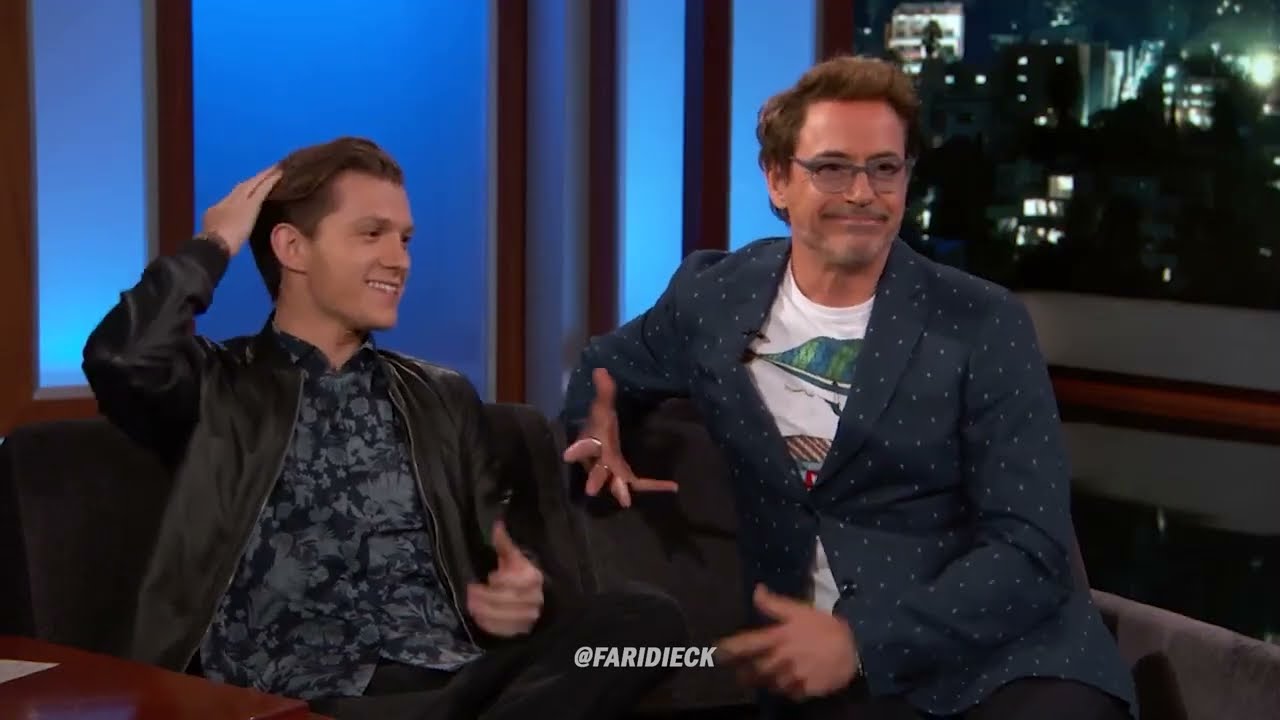
Born on June 1, 1996, in London, England, Holland was raised in a creative household; his mother, Nicola Frost, was a talented photographer, and his father, Dominic Holland, was a professional comedian and writer. While his home life was rich in art, his experiences in school were a stark contrast. At the age of seven, Holland was diagnosed with dyslexia. This learning disorder, which significantly impairs a person’s ability to interpret written symbols, made everyday classroom tasks an agonizing ordeal. Teachers frequently dismissed his struggles as laziness or distraction, leaving him in a system that did not understand how to support his neurodivergent brain.
Simultaneously, Holland developed a profound love for dance, particularly ballet. In an era and environment where traditional stereotypes of masculinity remained fiercely enforced, his commitment to ballet made him a target. He was mocked, teased, and ostracized by classmates who saw his passion as a deviation from what a “boy” should do. While he admits the bullying was unpleasant, it never broke his spirit. Even as a child, Holland possessed a rare, quiet resolve. He understood that his passion was his own, and he chose to prioritize his love for self-expression over the shallow judgments of his peers. This choice was not just about dance; it was an act of early defiance that would define his character for years to come.
His dedication to dance eventually became the catalyst for his professional career. In 2006, after performing at a local dance festival, he was spotted by choreographer Lynne Page. Page saw an intensity and potential in the young boy that others had missed. Recognizing his dramatic promise, she encouraged him to train for a role in the high-stakes world of West End theater. Following two years of grueling, disciplined training—involving intensive ballet, vocal coaching, and acting workshops—Holland secured the title role in Billy Elliot the Musical. Playing a boy from a harsh mining town who defies societal expectations to pursue ballet, Holland was essentially living out his own life story on stage. The musical was a massive success, and Holland’s commitment—performing eight shows a week—forged the physical and emotional stamina that would later prove vital in his transition to film.
The leap to the screen came unexpectedly. Director Juan Antonio Bayona, searching for a lead for his survival drama The Impossible, needed a child actor capable of performing in physically harrowing, high-endurance conditions. Having seen Holland’s theatrical discipline, Bayona realized he had found his star. In The Impossible, Holland portrayed Lucas, a teenager navigating the aftermath of a devastating tsunami. The production demanded that he perform for long hours in artificial water tanks filled with debris and strong currents. Drawing on his years of ballet training, Holland managed the physical demands with an ease that baffled seasoned professionals. The film was a critical success, earning Holland widespread acclaim, including a National Board of Review Award for Breakthrough Performance and nominations at the Critics Choice Awards. Suddenly, the theater kid from London was a Hollywood player.
Yet, becoming a superstar was a long, arduous process, particularly for the role of Spider-Man. When Marvel Studios and Sony reached an unprecedented agreement to allow the wall-crawler into the Marvel Cinematic Universe, they initiated a massive, global casting search. Holland entered a grueling seven-month gauntlet consisting of six auditions. He competed against the most established young actors in the industry, all while keeping his progress a closely guarded secret from everyone except his family. The final test involved a chemistry screen test with Robert Downey Jr. and Chris Evans—the cornerstones of the franchise. His ability to hold his own against these industry titans ultimately won him the role.
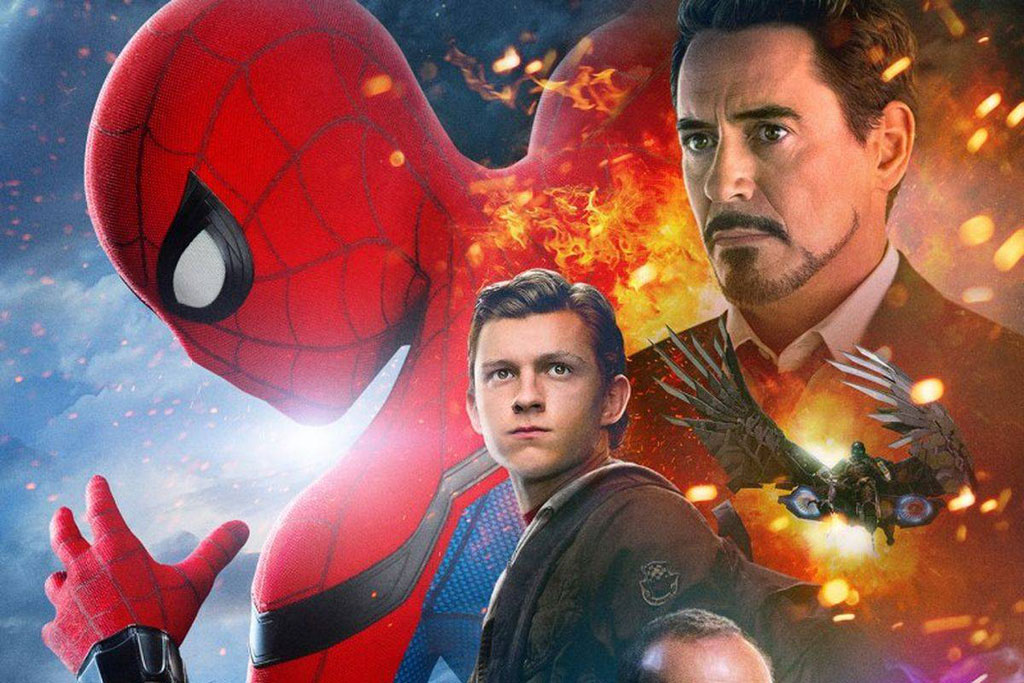
Holland’s debut as Spider-Man in Captain America: Civil War was a triumph of timing and energy, but it was his standalone debut, Spider-Man: Homecoming, that truly defined his take on the character. Unlike his predecessors, Holland’s Peter Parker was undeniably a teenager—prone to impulsivity, mistake-making, and profound uncertainty. His performance resonated because it was relatable. The physical demands of the role were immense, requiring Holland to perform many of his own stunts, hanging from wires and mastering complex acrobatic choreography. This rigorous preparation eventually culminated in the monumental global event of Spider-Man: No Way Home, where Holland stood alongside previous Spider-Man actors Tobey Maguire and Andrew Garfield. The film became a cultural phenomenon, turning Holland into an enduring face of the largest film franchise in history.
Despite his fame, Holland remains deeply grounded. He continues to live near his family in London, successfully avoiding the toxic trappings of Hollywood celebrity culture. His relationship with co-star Zendaya has captured the public imagination, yet he maintains a fierce protection of his private life. Recent projects, such as Cherry, have showcased his range in deeply traumatic, complex adult roles, proving he is not just a superhero actor but a versatile dramatic talent.
Today, Holland’s career is a testament to the power of authenticity. Had he listened to the voices in his youth that demanded he abandon ballet to fit a “normal” mold, he never would have developed the physical discipline, emotional intelligence, or resilience required for his meteoric rise. His journey proves that what makes us different—the very traits we are often told to hide—is frequently the exact foundation of our greatest strengths. Tom Holland did not succeed because he conformed; he succeeded because he had the bravery to remain unmistakably, undeniably himself.