On July 13, 2014, the lights at the Maracanã Stadium in Rio de Janeiro shone with a clinical brightness that felt cruel to the men standing on the pitch in blue and white. Lionel Messi, the undisputed jewel of world football, stood near the gold-plated World Cup trophy, his eyes fixed on it for a fleeting, painful second before he walked past [01:59]. It was a gaze devoid of anger or jealousy; it was filled with the hollow, aching regret of someone who had traveled to the very edge of destiny only to see it pulled away. In that moment, the world witnessed the fragility of greatness. Little did we know, that heartbreak was not the end of the narrative—it was the crucible in which a legend would be forged.
The Weight of a Nation
At 27 years old, Messi had arguably already won it all at the club level. He was the crown jewel of Barcelona, a record-breaker, and a human highlight reel. Yet, the persistent shadow of Diego Maradona loomed large over his international career. Argentina expected their “Messiah” to replicate the miracle of 1986, and for eight long years, that expectation became a crushing burden. The 2014 defeat was the first of many scars. While Messi was named the player of the tournament, the award felt like a consolation prize that offered no comfort for the empty space in his trophy cabinet [01:48].
The Cycle of Despair (2015–2016)
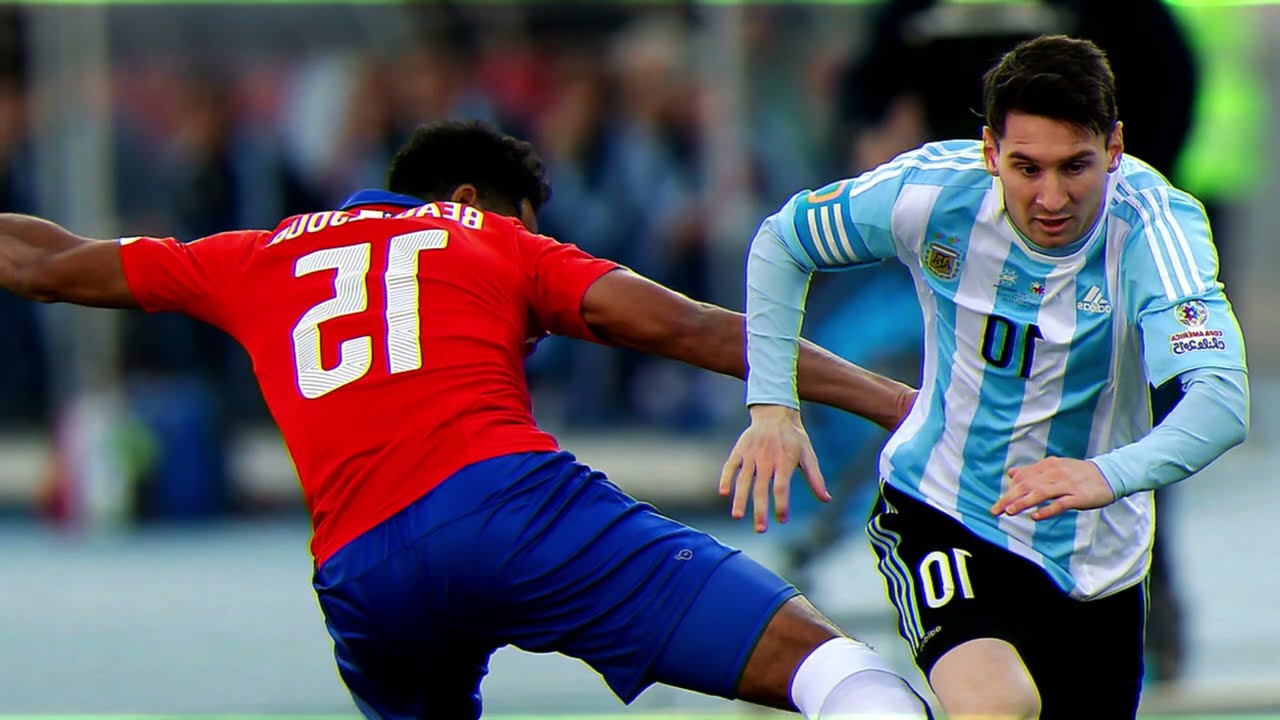
The years following 2014 were marked by a relentless pursuit that yielded only more pain. In 2015, Argentina reached the Copa América final, only to fall to Chile on penalties [03:30]. In 2016, the nightmare repeated itself in the Copa América Centenario. Another final, another 120 minutes of anxiety, and another agonizing penalty shootout. When Messi stepped up to the spot and sent his effort flying over the crossbar, the stadium fell into a heavy, suffocating silence [04:06].
For a man who seemed to handle everything with preternatural calm, this was the breaking point. After the loss, the most talented footballer of his generation walked into a press conference and uttered words that shook the foundations of the sport: “The national team is over for me” [04:42]. It was not the petulance of a star, but the exhausted surrender of a man who had given everything and been left with nothing.
The Rise of the Collective
Change, when it finally arrived, was quiet and unexpected. After the dismal 2018 World Cup performance in Russia, the Argentine Football Association appointed Lionel Scaloni, an untested coach who faced immediate skepticism from the public [05:45]. Scaloni did something revolutionary: he dismantled the idea that Argentina had to be a vehicle for Messi’s individual brilliance. Instead, he built a “team”—a brotherhood where players like Emiliano Martinez, Rodrigo de Paul, and Enzo Fernández didn’t just play alongside Messi; they bled for him [06:16].
Messi, in turn, underwent a transformation. The shy boy who retreated into the locker room corners of Barcelona had evolved. He became a vocal leader, a motivator, and a teammate who demanded as much from himself as he did from others. He ceased trying to be the “best player in the world” and started focusing on being the “best captain for Argentina” [06:43].
The Redemption at the Maracanã
In 2021, the emotional dam finally broke. Argentina defeated Brazil in the final of the Copa América, ironically in the same Maracanã Stadium where Messi had suffered his greatest heartbreak seven years prior [06:58]. The tears he shed that night were not just of happiness; they were a cathartic release of nearly a decade of stored-up anguish. The curse had been lifted, and the foundation for the ultimate dream was set.
The Final Chapter: Qatar 2022
The 2022 World Cup was the coronation of a long-suffering king. Through every challenge—the opening loss, the tense group stage, and the tactical chess matches—Messi navigated the pressure with the composure of a man who had already survived the worst the sport could inflict. The final against France was a gladiatorial battle that spanned 120 minutes of pure madness. When the final whistle blew and Argentina was declared champion, Messi was no longer the man walking past the trophy with a hollow stare. He was the man lifting it toward the sky, anchoring himself into the eternal history of the game [07:50].
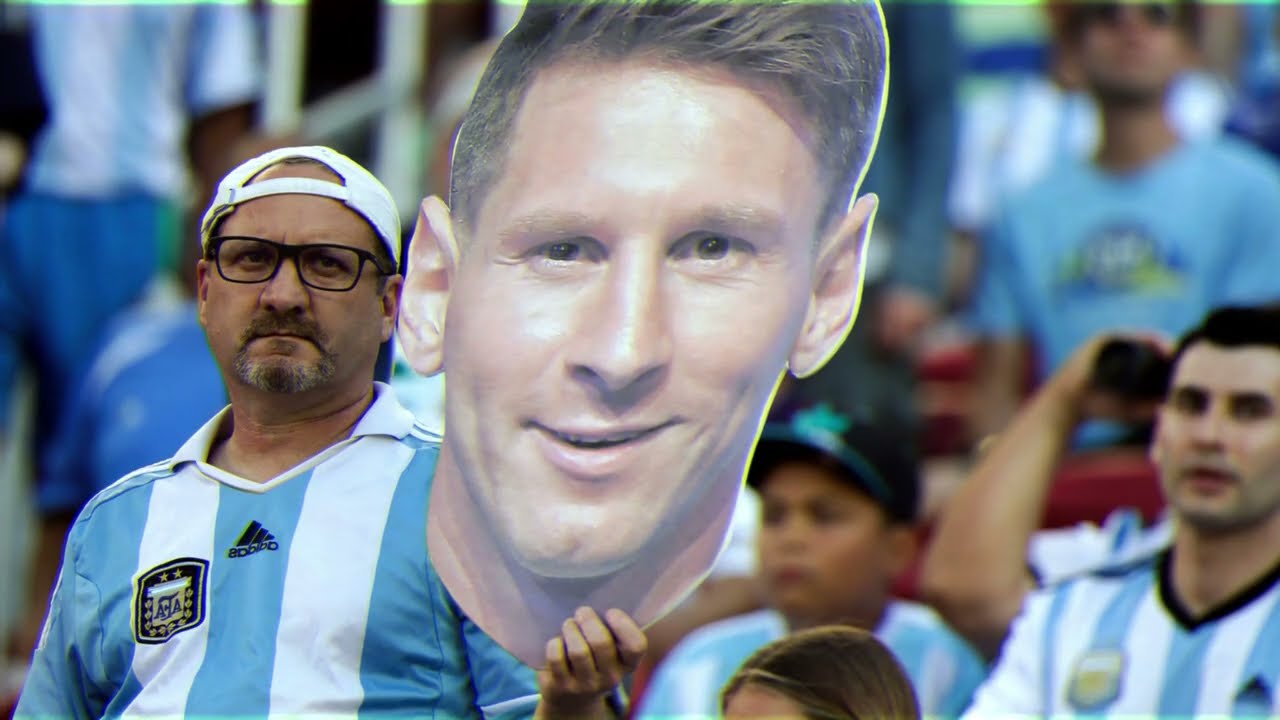
The eight-year odyssey between 2014 and 2022 was not merely a pursuit of a gold trophy; it was a journey of maturation, resilience, and the triumph of the human spirit over insurmountable odds. Messi’s story proves that the path to immortality is rarely a straight line; it is a winding, painful road that demands you face your failures before you can earn your place among the gods of the game. For generations to come, the story of Lionel Messi will not be told merely through his goals or his assists, but through the resilience he showed after that dark night in Rio, proving that the greatest victories are the ones that follow the deepest heartbreaks.