In the late 1990s, a haunting Nike advertisement posed a chilling question: “What if you asked God to make you the best football player in the world, and he was actually listening?” As the screen faded, it showed nothing but a brief, context-less clip of a young Ronaldo Nazário scoring against Compostela. No explanation was needed. For those who watched, the message was clear: they were witnessing a force of nature that defied human explanation.
Today, it is fashionable to view Ronaldo’s career through the lens of “what could have been,” focusing on the heartbreaking injuries that sidelined one of the greatest talents to ever lace up a pair of boots. However, this narrative often overshadows the explosive, almost supernatural reality of his arrival. Long before he held the Ballon d’Or or became the face of global football, a 16-year-old Ronaldo had already played 115 matches and scored 103 goals. He was a worldwide icon before he was old enough to hold a driver’s license.
The Accidental Prodigy
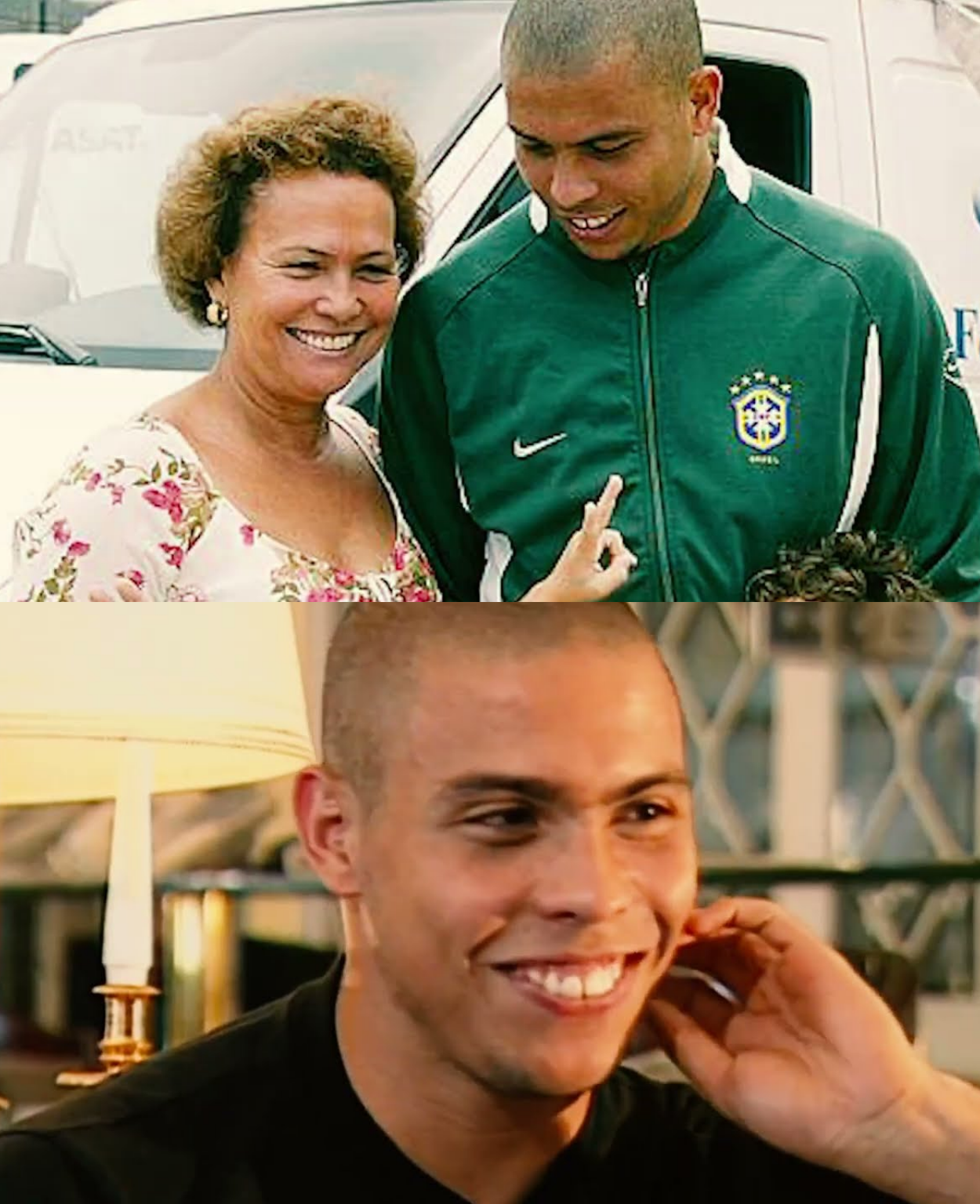
The legend of “O Fenômeno” began in the modest surroundings of Bento Ribeiro, where a young, gap-toothed boy was skipping classes to attend local futsal trials. Not realizing the depth of his own talent, Ronaldo initially felt intimidated by the crowd of 50 hopefuls. Thinking he had no chance of making the team as a field player, he claimed he was a goalkeeper—the one position guaranteed to have a vacancy.
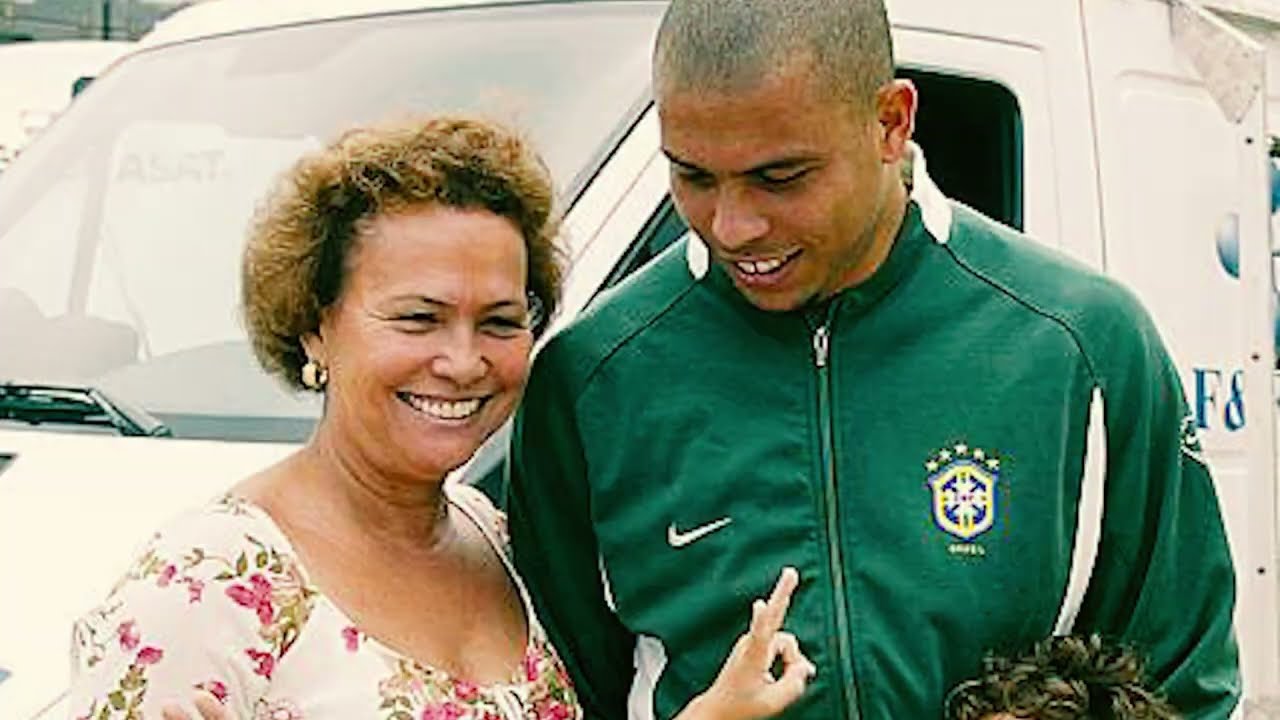
The charade didn’t last long. After watching his team fall behind 2-0 against Vasco da Gama, his coach threw the “goalkeeper” into the attack. The result? A four-goal performance and an impossible comeback. By the end of that first season, he had scored 166 goals, including a match where he accounted for 11 of his team’s 12 goals. For Ronaldo, football had become his first and only love. At 12, he famously told his mother he was quitting school to pursue the game full-time. Despite her initial fury and fears of him becoming a “nobody,” she eventually realized that no amount of discipline could suppress a talent that was quite clearly divine.
From the Streets to the Global Stage
Ronaldo’s ascent was relentless. He moved through youth setups like Social Ramos and São Cristóvão with ease, often playing against athletes six years his senior. By 15, he had caught the eye of the legendary Jairzinho, the 1970 World Cup winner. Recognizing a kindred spirit in the young striker, Jairzinho facilitated his move to Cruzeiro.
It took only a month for Ronaldo to debut for the Cruzeiro U-20 side, scoring four goals in his first match. He became the first amateur in the club’s history to join the first team for a pre-season tour in Portugal. His performance against Porto was so electrifying that the club’s executives tried to sign him on the spot. Cruzeiro, who had acquired him for the price of a used Toyota, suddenly demanded 1.75 million euros—a staggering sum for a 16-year-old.
By the time he turned 17, Ronaldo had already established himself as a dominant force. His 1993 season was a masterclass in efficiency: 17 goals in 10 games, including a historic five-goal performance against Bahia. During that game, he displayed the full spectrum of his genius: a clinical penalty, a perfectly weighted assist, a dazzling dribble past the goalkeeper, a header, and a cheeky goal where he stripped the ball from the keeper’s feet. It was not just football; it was a revolution.
The European Baptism
When PSV Eindhoven sent scout Ernie Brand to Brazil to find a successor to the legendary Romário, he didn’t expect to find a clone of the master. Upon watching the 17-year-old Ronaldo, Brand famously stated, “I couldn’t believe my eyes. It should be impossible for a 16-year-old to be this good.”
Ronaldo arrived in Eindhoven with little fanfare, carrying a sign with his name on it at the airport and living in an apartment with his mother and girlfriend. He was an outsider in a cold, foreign land. Yet, on the pitch, the adaptation was nonexistent. He scored in his first match, twice in his second, and three times in his third. Legends like Franz Beckenbauer were moved to compare him to Pelé, and Rudi Völler famously declared he had never seen an 18-year-old play with such maturity.
By the end of his time in the Netherlands, Ronaldo had shattered records, including those held by legends like Marco van Basten. He was no longer a prospect; he was the most coveted commodity in world football.
The Heavy Burden of Genius
The final act of his teenage years was perhaps the most chaotic, marked by a bizarre transfer saga that saw Barcelona vice-president Joan Gaspard disguise himself as a waiter to hand-deliver a contract to Ronaldo in a hotel room.
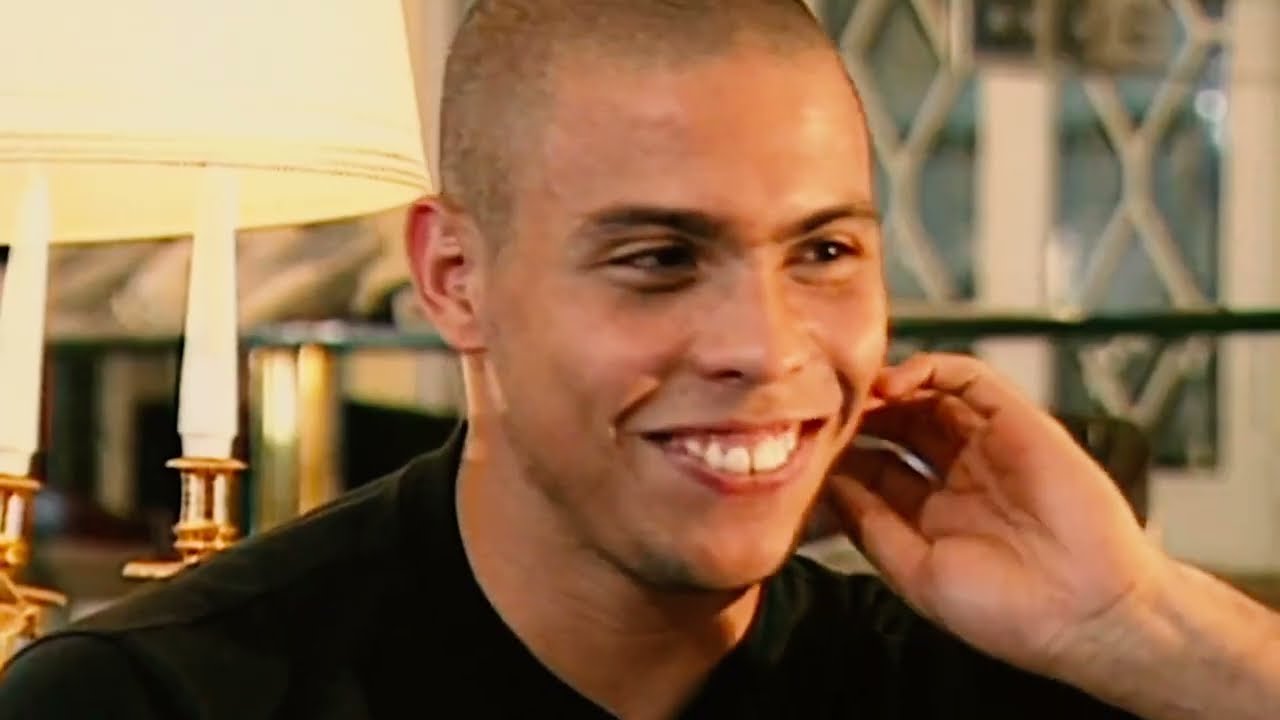
Yet, as the accolades piled up—including a FIFA World Player of the Year award at 19—the physical cost of his explosive style became undeniable. He had undergone a massive growth spurt, and his knees were beginning to buckle under the strain of his own power. He would later speak about his fear of injury, noting that an injured player is “the saddest thing that exists.”
Ronaldo Nazário’s career would eventually be defined by both his immense glory and his tragic battles with his body. But looking back at those early, untamed years, it is clear that for a brief, glorious moment, the world was treated to the sight of a god walking among men. He didn’t just play the game; he reinvented it, proving that some legends are not made—they are born.