For an entire generation, Macaulay Culkin was the face of the 1990s. With his impish grin and unparalleled comedic timing in the global blockbuster Home Alone, he became the most recognizable child actor in history. Yet, for Culkin, the glittering facade of Hollywood fame was not a dream, but a cage. His journey from a child prodigy to a misunderstood outcast, and finally to a man who found redemption on his own terms, is one of the most compelling—and harrowing—narratives in the history of entertainment.
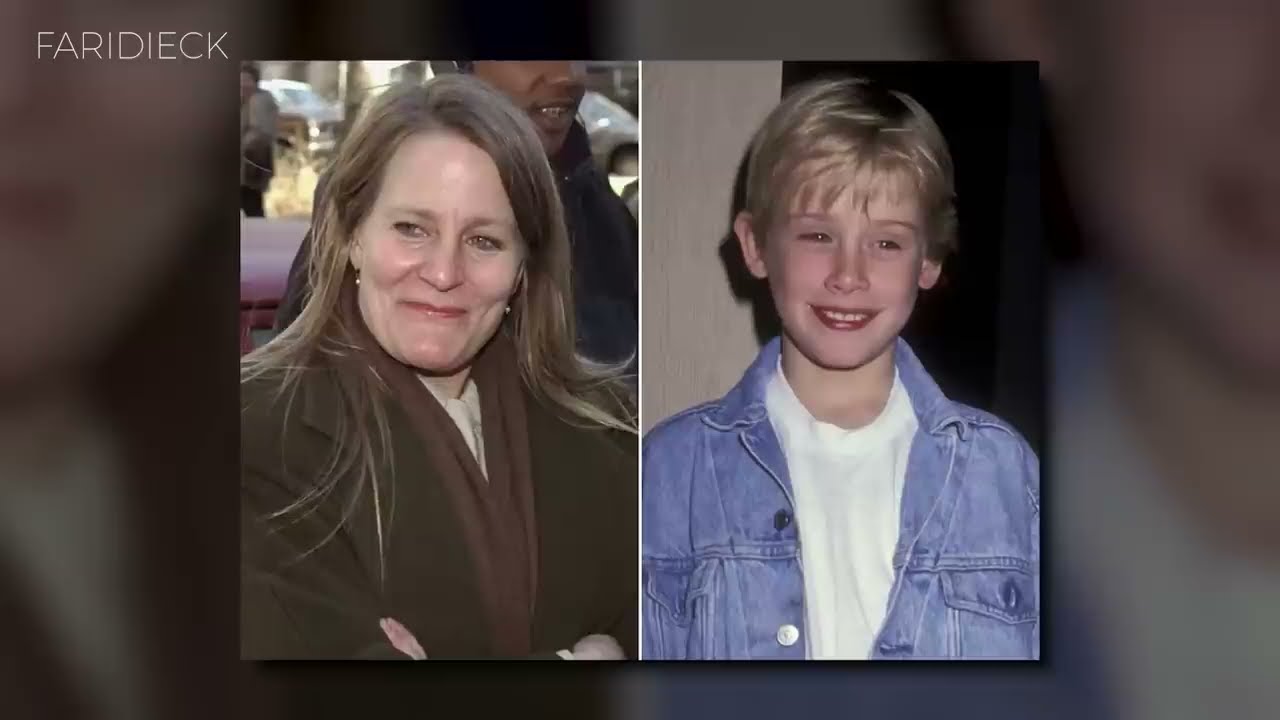
Born in 1980 in New York City, Culkin was introduced to the stage by his father, Kit Culkin, a failed Broadway actor. From the age of four, the boy was thrust into a grueling existence of rehearsals, auditions, and commercial shoots. When he was cast as Kevin McCallister in 1990, his life changed irreversibly. Home Alone was an unprecedented cultural phenomenon, grossing nearly $500 million globally. Culkin became a household name, but at the cost of his autonomy. While other children were learning to play and socialize, Culkin was working exhaustive hours, living out of suitcases, and being handled like a commodity rather than a child.
The architect of this exploitation was his own father. In later years, Culkin has spoken candidly about the cruelty he endured under Kit’s management. He described his father as abusive and jealous, a man who saw his son’s immense success not as a source of pride, but as a trigger for his own insecurities. Culkin recounted the dehumanizing conditions of his early success: being forced to sleep on a couch while his father lived in luxury, being denied vacations, and suffering under the constant, crushing pressure to keep the money flowing. Kit Culkin was not an advocate for his son’s future; he was a manager who treated him as a machine designed to generate revenue.
By the age of 14, at the height of his fame, Culkin had seen enough. Exhausted by the industry and increasingly alienated by his own family, he made the daring decision to retire from acting. He craved anonymity and a “normal” life, but the transition was far from smooth. His parents’ subsequent divorce led to a vicious, high-profile legal battle over custody and the millions of dollars Culkin had earned. In a final act of self-preservation at age 17, Culkin sought legal emancipation from both his parents, successfully removing their names from his trust fund to ensure that his financial future belonged to him alone.
The transition into adulthood was marked by turbulent relationships and unfair media scrutiny. His first marriage to actress Rachel Miner ended after two years, and a long-term relationship with Mila Kunis drew constant paparazzi attention. In 2004, an arrest for possession of controlled substances became a field day for the tabloids. For years, gossip columns relentlessly speculated on his health, often spreading rumors of extreme drug use. Culkin remained largely hermetic, appearing rarely and refusing to engage with the media narratives that sought to paint him as the “fallen child star.” He found solace in unconventional projects—playing in a pizza-themed comedy band, launching a parody website, and choosing roles that piqued his curiosity rather than his bank account.
Amidst the chaos, a complex and controversial friendship defined his public perception: his bond with Michael Jackson. Culkin met Jackson at age 11, and the two formed a deep, albeit widely scrutinized, connection based on their shared trauma of being exploited by their parents at a young age. Culkin remained fiercely loyal to Jackson throughout his legal battles, eventually testifying on his behalf and serving as a godfather to Jackson’s children. Even years after Jackson’s death and the subsequent investigations into the singer’s behavior, Culkin has stood by his version of the truth, maintaining that the singer never harmed him and that their bond was rooted in a mutual desire to protect their own childhoods.
The true turning point for Culkin came in his late thirties and early forties. Finding love with actress Brenda Song, he discovered a partner with whom he could grow. Their relationship marked a shift toward stability. Becoming a father twice over—naming his first son Dakota in honor of his late sister, who died in a tragic car accident—gave him a new sense of purpose and a chance to rewrite his own narrative. His public image also began to shift, moving from the tragic figure of the tabloids to a man who was clearly content and thriving.

This evolution culminated in a deeply poignant moment in 2023: Macaulay Culkin receiving his star on the Hollywood Walk of Fame. The ceremony was a celebration of his survival, made all the more emotional by the presence of Catherine O’Hara, his on-screen mother from Home Alone. Seeing him stand there, clearly moved and surrounded by his young family, was a testament to the fact that his legacy was not defined by the trauma of his youth or the rumors of his middle years.
Macaulay Culkin’s life remains a powerful indictment of the child star system, a cautionary tale about the dangers of fame, and ultimately, a triumphant story of human resilience. He proved that it is possible to survive a stolen childhood, navigate the vultures of the industry, and emerge on the other side with one’s humanity intact. Today, he is not defined by the boy who was left alone in a big house; he is defined by the man who learned to build a home of his own.