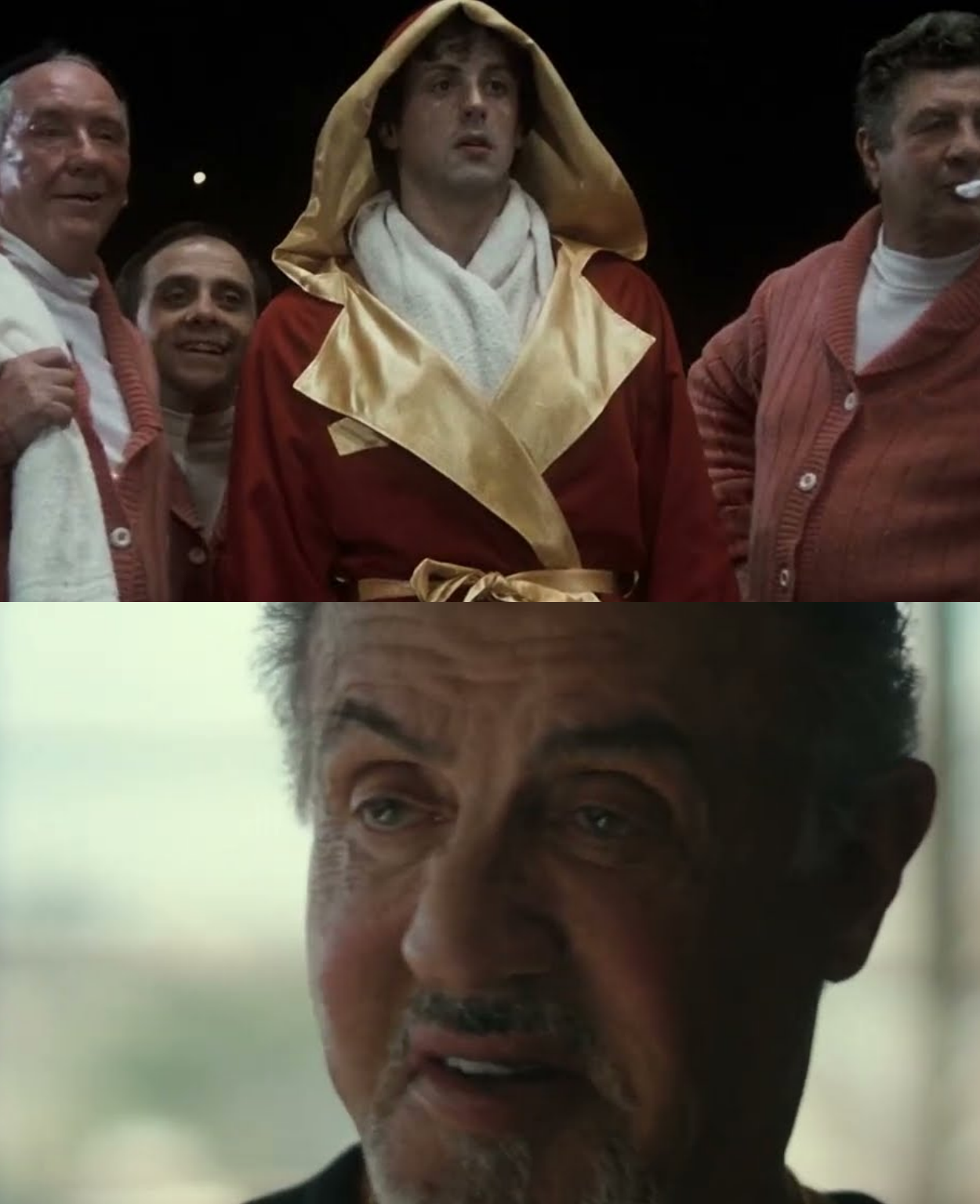
The image of Sylvester Stallone is etched in the bedrock of cinema history: the sweat-drenched fighter, the iconic underdog, the stoic action hero. To the world, he is the embodiment of strength and triumph. Yet, the story of how Sylvester Stallone reached these heights is not a fairy tale of instant success; it is a harrowing, gritty account of a man who touched rock bottom, lost everything, and refused to let the world break his spirit.
The Early Scars
Stallone’s life began with a struggle that would shape his identity forever. Born in New York in 1946, a traumatic birth injury left him with partial facial paralysis, a condition that defined his distinct, unconventional look. Growing up in a dangerous neighborhood, he navigated a household marked by constant parental conflict and a father whose affection was often absent or manifested through outbursts of aggression. Cinema became his escape, a place where he could imagine himself as the heroes he saw on the screen.
When he moved to New York to pursue acting, the industry’s response was brutal. Casting directors ridiculed his voice, his look, and his facial expressions. Stallone was told he didn’t fit the mold of a leading man, that he lacked the “right” look for the heroes Hollywood coveted. He lived in near-poverty, working odd jobs, including cleaning lion cages at the zoo and working as an usher at a cinema—the very place where he dreamed of seeing his own name on the screen. During this time, his only companion was Butkus, a bullmastiff who provided the unconditional love he lacked elsewhere.
The Lowest Point and the Birth of a Legend
The defining moment of Stallone’s life occurred when he hit absolute rock bottom. With a child on the way and no food in his apartment, he faced an agonizing choice: sell his beloved dog to a stranger for $60 so both of them could survive. It was the hardest decision of his life, a moment of profound heartbreak that would later serve as the emotional core for the character of Rocky Balboa.
Stallone had written a script—the story of a washed-up boxer from the streets of Philadelphia given a one-in-a-million shot at the heavyweight title. Producers loved the story, but they didn’t want him in the lead. They offered him $300,000 for the script—a life-changing sum for a man who couldn’t afford groceries—on the condition that someone else played the protagonist. Stallone refused. He knew that if he sold his vision without his own performance, he would be selling the only piece of himself that mattered. He gambled his future on the belief that his story was his to tell.
The Fight to be Heard
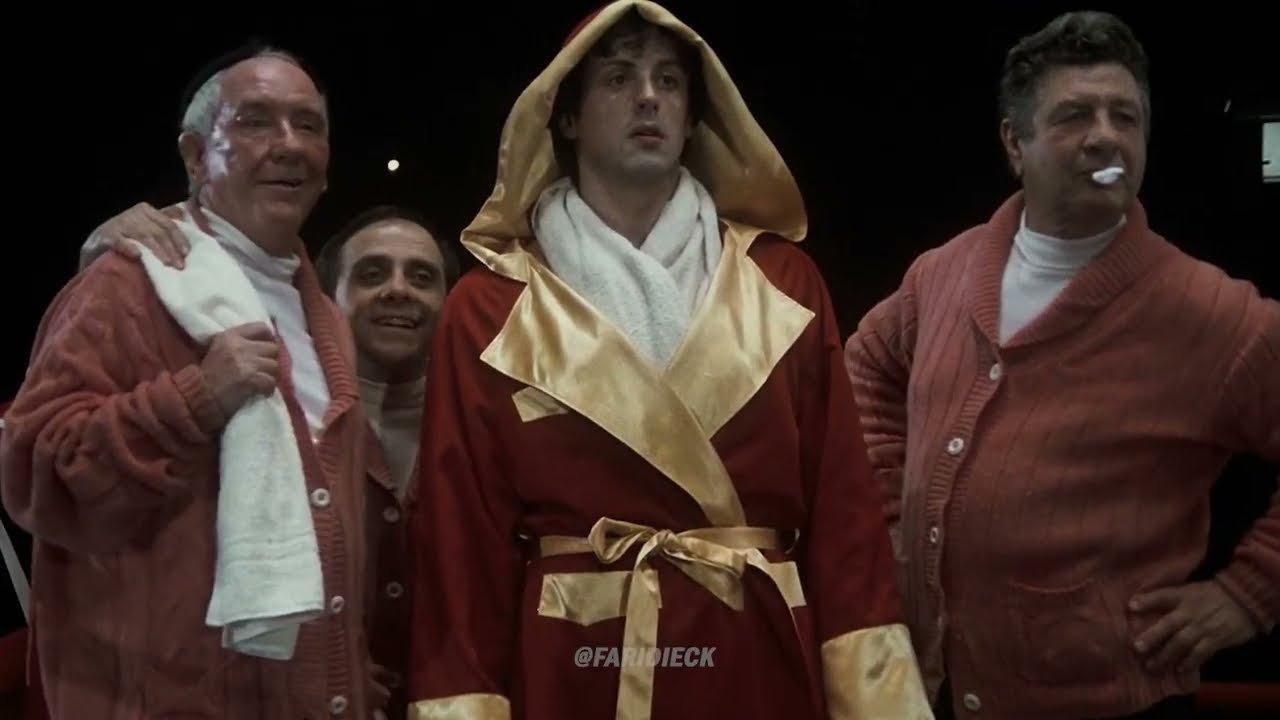
Against the odds, the producers relented. Stallone was given a meager budget and a tight schedule. He poured his own life—his rejection, his pain, his struggles with his father—into the script. When he famously stood in the ring and shouted at his mentor, “I needed you ten years ago and you weren’t there when I needed you,” he wasn’t just acting; he was channeling the years of neglect he had suffered at the hands of his own father.
When Rocky hit the theaters, it didn’t just succeed; it exploded. The film struck a chord with the public because, unlike the polished heroes of the era, Rocky Balboa was vulnerable, insecure, and flawed. He was a guy who got punched, got knocked down, and had to claw his way back up. The audience didn’t just see a boxer; they saw themselves. Stallone’s words at the Oscars—”Thanks to all the Rockys of the world, I love you”—were a tribute to the millions of people fighting unseen battles every day, those who are “hit hard by life” but refuse to stay down.
Resistance as a Way of Life
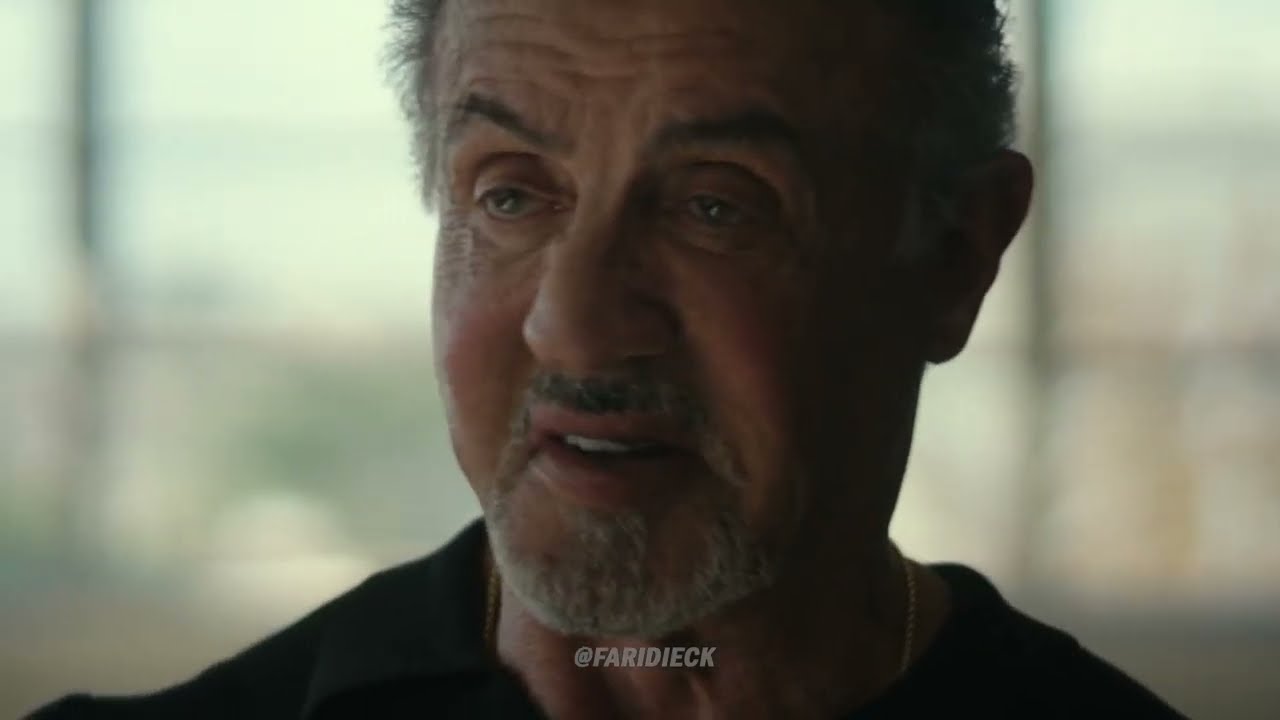
Stallone’s career after Rocky was not without its pitfalls. He suffered professional failures, faced the intense pressure of high expectations, and weathered the deeply personal pain of his son Sage’s untimely death. Yet, Stallone’s life philosophy, epitomized by the iconic monologue he delivered in Rocky Balboa, remains his greatest legacy. It wasn’t just a scene in a movie; it was a manifesto for survival: “It’s not about how hard you hit. It’s about how hard you can get hit and keep moving forward.”
Perhaps the most profound way Stallone “struck back” against the harshness of his own upbringing was in his role as a father. Despite the trauma inflicted upon him by his own father, Stallone chose to break the cycle. He supported his son Sage’s artistic dreams, worked alongside him, and provided the love and backing he had been denied.
Today, Sylvester Stallone is more than an actor; he is a testament to the power of resilience. Whether as Rocky, Rambo, or himself, he has consistently proven that true strength does not lie in how many times you win, but in your refusal to let the world define your end. He is a man who learned that while the world will inevitably deal you heavy blows, the final measure of a life is found in what you choose to do after the impact.