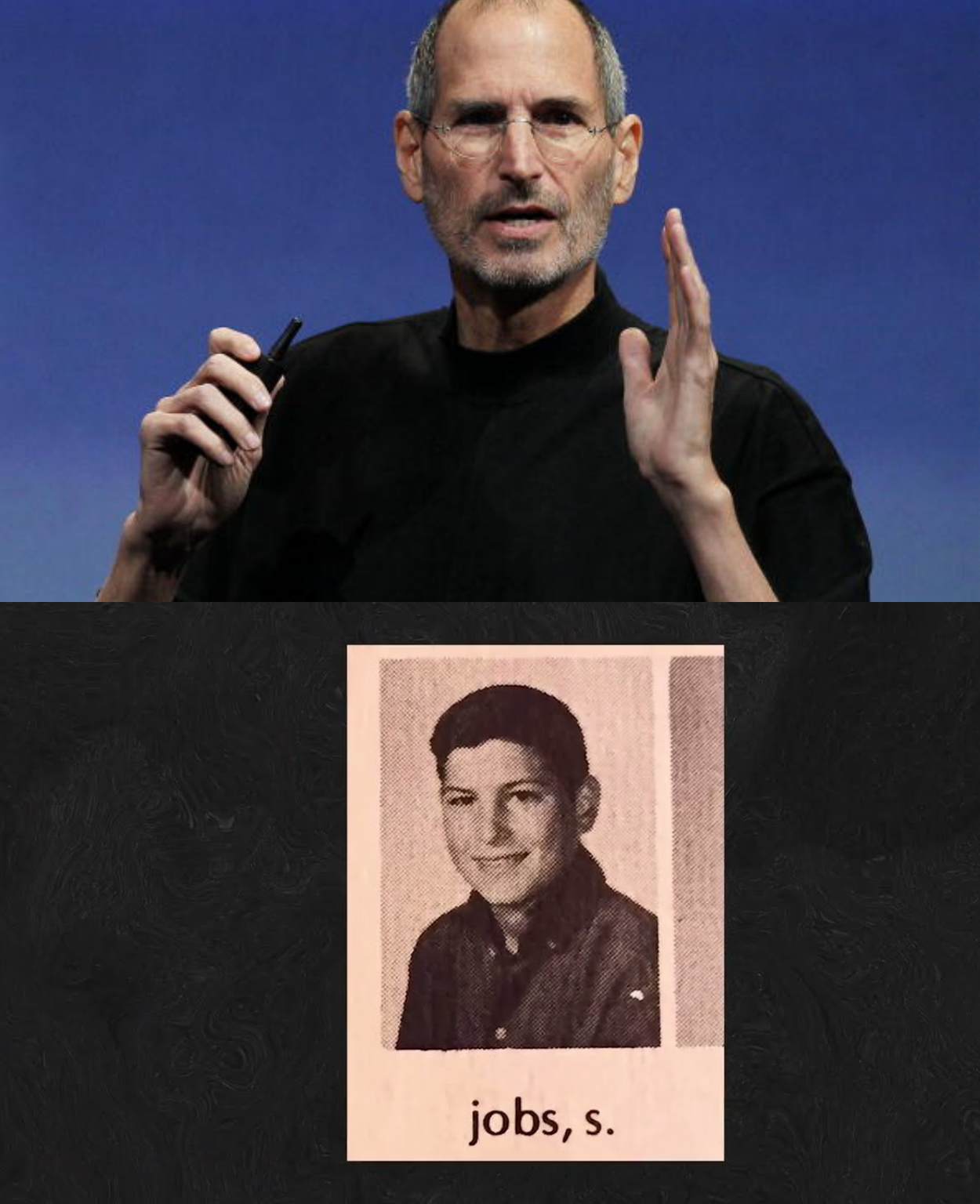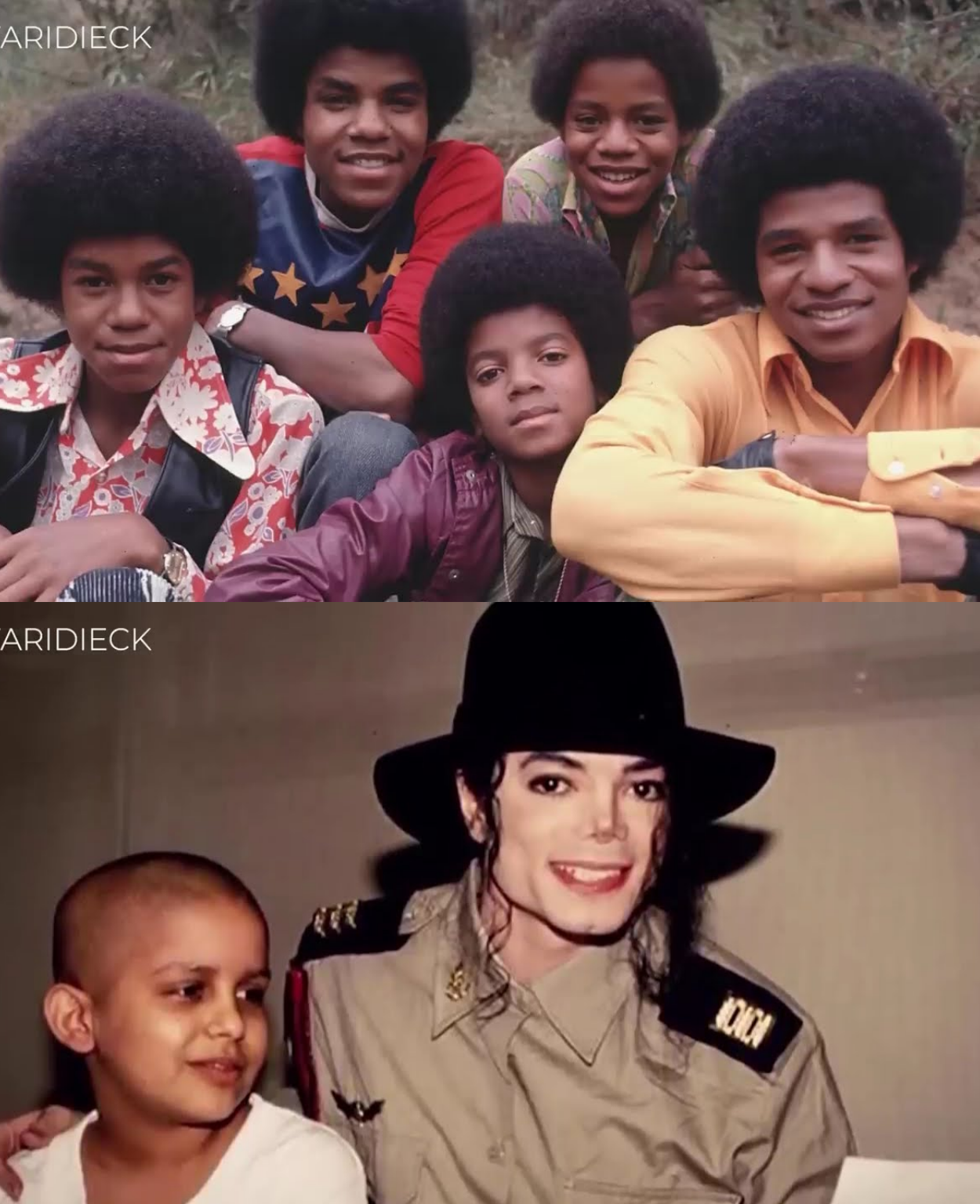
The image is iconic: the single glove, the fedora, the gravity-defying moonwalk, and the rapturous applause of millions. Michael Jackson was not just a pop star; he was a global cultural force whose music redefined the landscape of entertainment. Yet, beneath the glittering mask of the “King of Pop” lay a reality that the world rarely acknowledged: Michael Jackson was not an enviable success story, but a deeply wounded soul whose life was defined by systematic cruelty, crushing loneliness, and the relentless exploitation of his humanity.
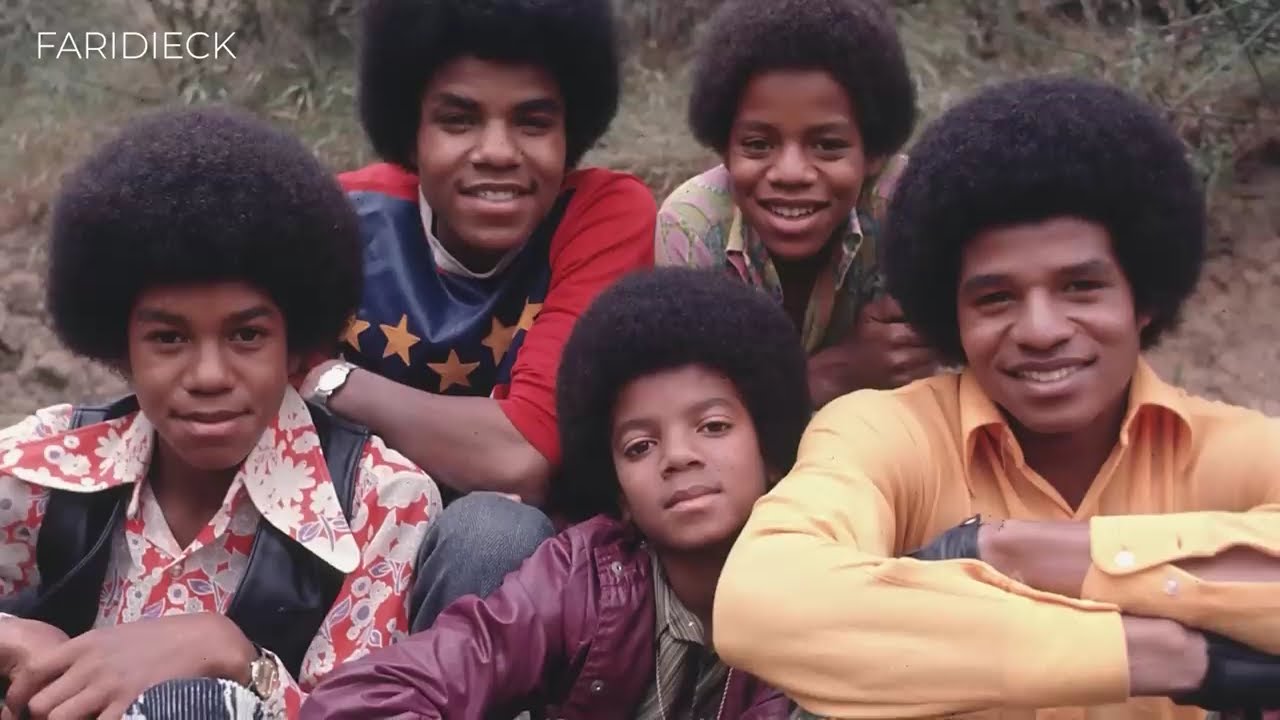
The Stolen Childhood
Michael’s tragedy began long before he stood in the spotlight. Born in 1958 in Gary, Indiana, he was the seventh of nine children in a family struggling to make ends meet. While his mother provided warmth, his father, Joe Jackson, became the architect of Michael’s professional rise and personal undoing. Driven by a desire for status, Joe transformed his sons into “The Jackson 5,” but the cost was the total annihilation of Michael’s childhood.
Rehearsals were not just demanding; they were terrifying. Michael later recounted how his father would sit in a chair with a belt in his hand, watching for the slightest mistake. The pressure was so severe that Michael, even as a young boy, would feel sick at the mere sight of his father. Years of hard labor—performing in bars, recording albums, and touring while his peers were playing in the backyard—robbed Michael of the basic comforts of a normal upbringing. By the time he was 20, he had already released 18 albums. He was a seasoned veteran before he was legally an adult, a victim of a father who valued the product more than the person.
The Burden of Image and Identity
As Michael grew into a global idol, the trauma of his upbringing began to manifest in devastating ways. His obsession with his physical appearance, culminating in multiple surgeries, suggests a deep struggle with body dysmorphia—a mental health battle seeded by his father’s constant verbal abuse, who ridiculed his “fat nose” and called him ugly.
This internal pain was compounded by the external world. After a tragic 1984 accident on the set of a Pepsi commercial left him with severe scalp burns, Michael began a lifelong dependency on prescription painkillers to manage the chronic pain. This physical toll, combined with a life lived entirely in the public eye, created a man who felt like a prisoner of his own fame. In his autobiography, Moonwalk, he poignantly noted, “I am one of the loneliest people in the world.” Despite being surrounded by millions, he felt profoundly disconnected, an object to be traded, sold, and analyzed rather than a person to be known.
The Price of Immortality
The 1990s and 2000s brought further turmoil. Accusations of inappropriate conduct, the invasive 2003 documentary Living with Michael Jackson, and the resulting 2005 trial shredded his reputation. While he was acquitted of all charges, the damage to his public image and psyche was irreparable.
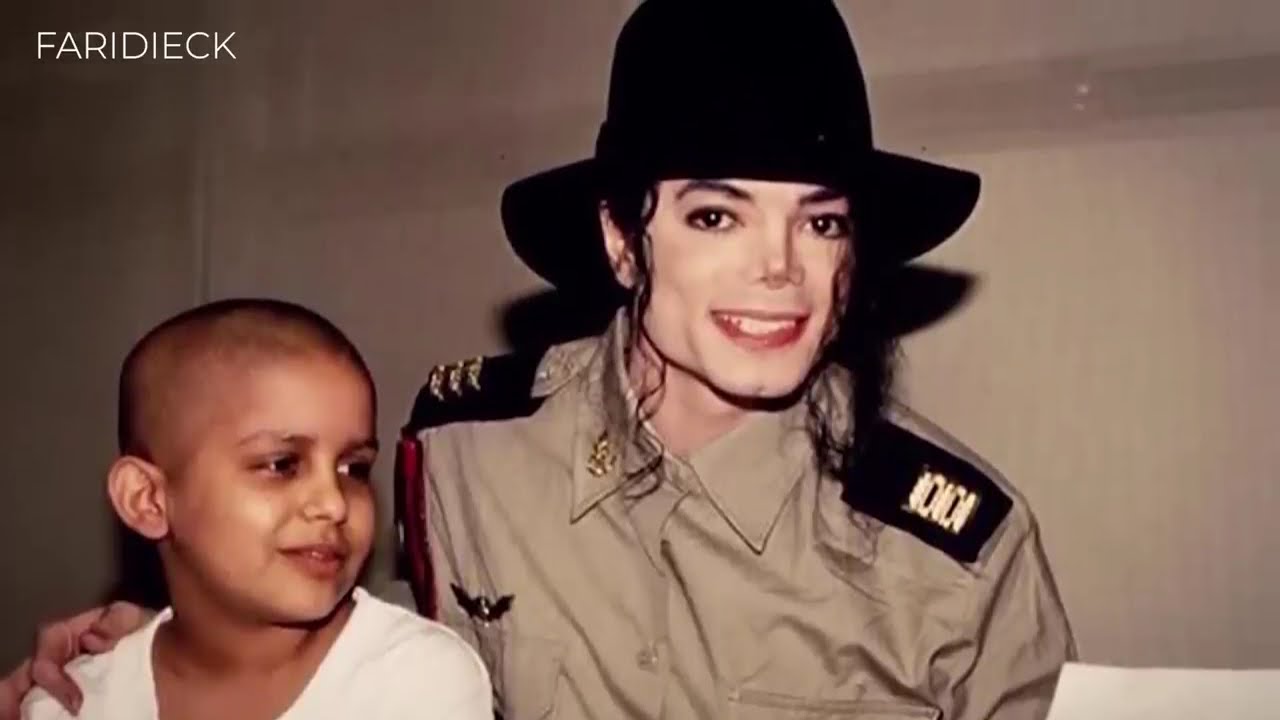
Michael’s desire to surround himself with children—a behavior often criticized or misunderstood—appeared to be an attempt to reclaim the childhood he had been denied. It was an act of regression, a defense mechanism seeking the safety and uncomplicated affection he never found in the adult world. Whether or not one agrees with his choices, it is clear that he was an individual in deep distress, struggling to reconcile the myth of the “King of Pop” with the reality of a frightened, isolated man.
A System That Failed Him
The final tragedy of Michael Jackson’s life is that he was surrounded by people who saw his value primarily in his ability to generate revenue. Even as his physical health deteriorated and his dependency on substances became an open secret, the machine around him kept moving. The decision to proceed with the This Is It tour, despite his clearly failing health, was the final failure of the people responsible for his well-being. By allowing him to continue until he was physically incapable of going on, they treated him as a means to an end.
When he died on June 25, 2009, from a fatal dose of propofol, the world lost more than a musical icon; it lost a human being who had been systematically stripped of his right to a private life, a childhood, and ultimately, his dignity. Michael Jackson’s life serves as a brutal lesson on the cost of fame. It is a testament to what happens when society loses sight of the person behind the product. Behind every crown, every record, and every standing ovation, there was a man crying for the simplicity of love—a man who, in his search for a life he never had, found only the cold, lonely spotlight of history.