In the early 2000s, Kanye West was not just a producer; he was the architect of a new sound for hip-hop. From the soulful, pitched-up samples that defined the Roc-A-Fella era to the raw vulnerability of The College Dropout, West was an undeniable force of nature. He was the man who turned a life-altering car accident into his debut single, Through the Wire, recorded with his jaw wired shut. For over a decade, his cultural capital was immense. He was a visionary who set the bar for production, a creative polymath who seemed incapable of missing.
Yet, as of 2026, that legacy has been profoundly eclipsed. The name Ye—the moniker he adopted and now prefers—is no longer synonymous with musical innovation, but with a relentless, downward spiral of impulsive outbursts, hate speech, and self-inflicted exile. The recent cancellation of his headline performance at London’s Wireless Festival, triggered by the UK government’s decision to block the rapper from entering the country, serves as the stark, final punctuation mark on a career defined by its chaotic disintegration.
The Evolution of the Outburst
To understand the gravity of West’s current standing, one must distinguish between the “impulsive” provocateur of the 2000s and the extremist figure of the 2020s. Early moments of controversy—interrupting Taylor Swift’s 2009 VMA acceptance speech or his 2005 declaration on a live telethon that George Bush “doesn’t care about black people”—were widely viewed as celebrity friction or political commentary, albeit unorthodox. They were uncomfortable, certainly, but they existed within the realm of public discourse.
However, the tone shifted drastically as the years progressed. The 2016 support for Bill Cosby, coming amidst accusations of drugging and raping dozens of women, signaled a disturbing departure. West’s tweet, “BILL COSBY INNOCENT !!!!!!!!!!” drew immediate backlash. This was not a misunderstood musical lyric; it was a brazen dismissal of credible allegations of sexual violence. This pattern of behavior has had real-world consequences beyond his reputation. In March 2026, Cosby was ordered to pay $59.25 million in damages to a former waitress for similar assaults, casting an even darker shadow on West’s past defense of the disgraced comedian.
Crossing the Line into Hate Speech
The trajectory of West’s controversies accelerated into something far more dangerous in 2018, when he suggested that the 400-year enslavement of African Americans in the United States was “a choice.” The comment was not merely tone-deaf; it was historically illiterate and deeply offensive to the millions who suffered under the institution of slavery. While he attempted to walk back the statement, claiming he was misunderstood, the damage was done. The incident marked the beginning of a pattern where West seemed to weaponize his platform to promote inflammatory, false narratives.
By October 2022, the “eccentric genius” persona had fully dissolved into something darker. At his Yeezy SZN 9 show in Paris, he debuted a “White Lives Matter” T-shirt, a move widely criticized by anti-racism campaigners as a deliberate mockery of the Black Lives Matter movement. This was followed by a social media spiral that saw him publishing private text exchanges with Sean “Diddy” Combs, alleging that Combs was “controlled by Jewish people.”
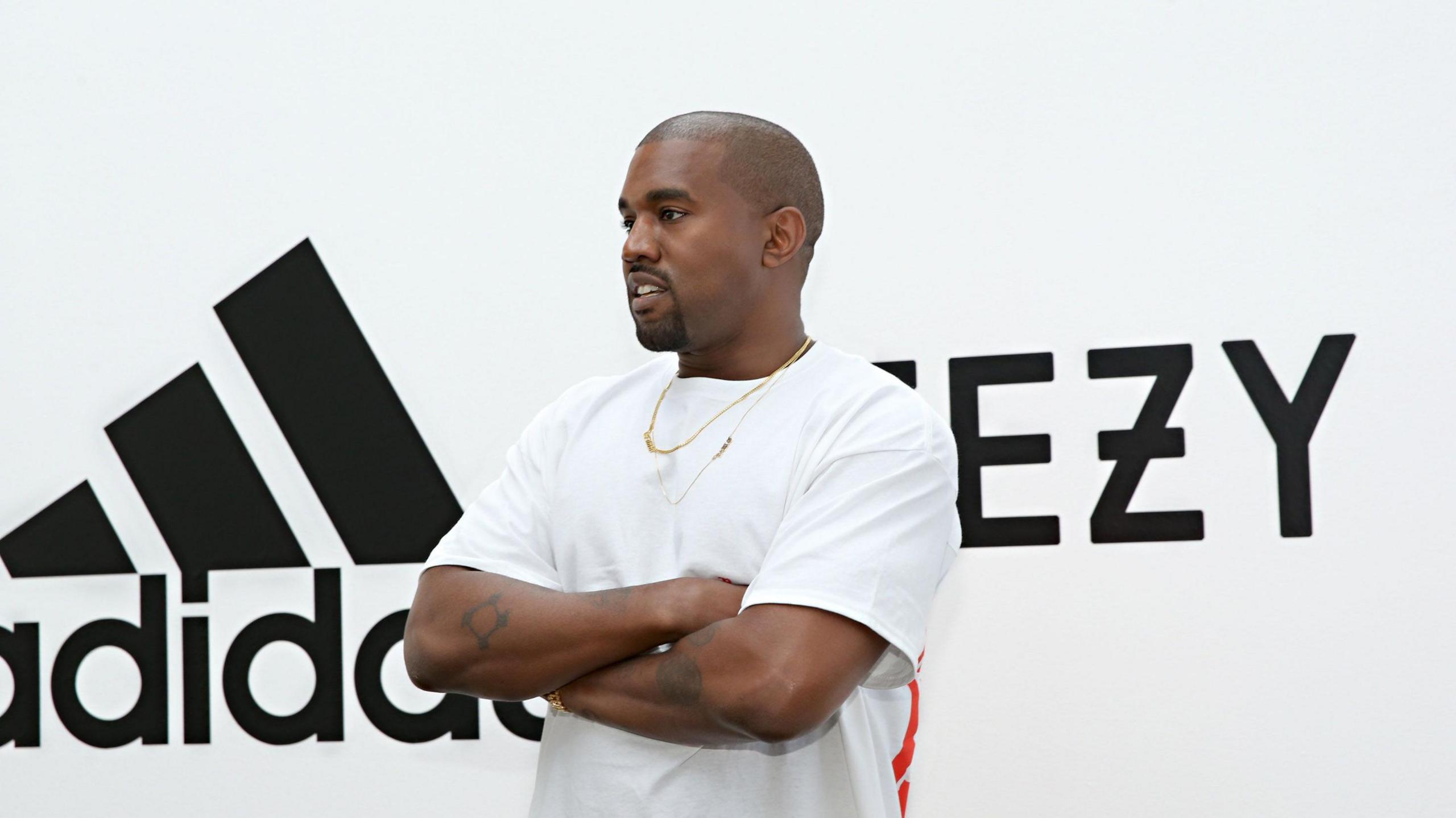
The antisemitic conspiracy theories he unleashed led to his suspension from major platforms. In a move that shocked even his most loyal supporters, West took to Twitter to declare he would go “death con 3 On Jewish people.” The subsequent interview with Fox News’ Tucker Carlson, where he doubled down on the “White Lives Matter” slogan, confirmed that this was not a lapse in judgment, but a committed, ideological shift. The corporate fallout was swift and unprecedented. Fashion giant Balenciaga, Gap, JP Morgan, and talent agency CAA severed ties. Adidas, his most significant partner, cut ties entirely, resulting in a staggering net loss of £217 million for the company in 2022.
The Nazi Rhetoric
The most chilling chapters of West’s decline occurred in late 2022 and beyond, as he pivoted toward overt Nazi admiration. During an interview with conspiracy theorist Alex Jones, West declared, “I see good things about Hitler.” This was not just a provocative statement; it was an endorsement of a genocidal regime that fundamentally threatened the foundations of human rights.
The consequences were immediate. He was suspended again from Twitter for inciting violence. The cycle of offense and suspension became a tragic routine. In February 2025, he began selling swastika-emblazoned T-shirts, and by May, he released a track titled Heil Hitler. The song was a blatant glorification of the Nazi leader, claiming financial pressures and custody battles drove him to this ideology. The track was banned from all major streaming platforms and in Germany, though it continued to propagate through social media channels like X, illustrating the difficulty of policing his influence even when traditional platforms reject him.
The Mental Health Debate
Throughout these years, a recurring defense from supporters—and at times, West himself—has been his battle with bipolar disorder. In a January 2026 full-page advertisement in the Wall Street Journal, West apologized for his antisemitism, citing “bipolar type-1” and “disconnected moments” that led to “poor judgment.” He described his behavior as an “out-of-body-experience” and stated he was committed to accountability and treatment.
Yet, this explanation has been met with significant pushback from the medical community. Professor Amy Elizabeth West, who teaches clinical pediatrics and psychology at the USC Keck School of Medicine, has stated explicitly: “Bipolar disorder is absolutely not synonymous with racism and there’s nothing about mental illness that creates racism or hate.” This distinction is vital. It challenges the narrative that West’s actions are merely a symptom of illness, suggesting instead that his prejudices exist independently of his psychological state. It reframes the conversation: mental health may explain a lack of filter, but it does not account for the content of the hate being spewed.
The Finality of 2026
The 2026 Wireless Festival cancellation represents the inevitable conclusion of this trajectory. When West was announced as the headliner, it was treated as a provocation. Despite his attempts to perform contrition—including updates to his open letter in the Wall Street Journal where he expressed a desire to meet with the Jewish community—public pressure mounted. The Board of Deputies of British Jews made their stance clear: they would only meet him if he withdrew from the performance. Ultimately, the UK government took the decision out of his hands, blocking his entry.
Kanye West’s journey from the heights of hip-hop stardom to the depths of global pariah status is a cautionary tale of hubris and the unchecked power of celebrity. He spent decades building a legacy based on the belief that he could say or do anything without consequence. In 2026, he has finally met the limitations of that belief. The music that once captivated the world is now overshadowed by the vitriol he unleashed, leaving fans and the public to grapple with a simple, painful question: when does an artist’s genius stop shielding them from the consequences of their character? For West, that question has been answered, and the verdict is exile.