In the explosive and wildly successful action franchise “John Wick,” audiences around the world watch a retired assassin exact merciless revenge after losing the woman he loves and the precious puppy she left behind to help him grieve. It is a cinematic tale of relentless grief transformed into an unstoppable force of sheer will. However, what makes the character so palpably authentic is a heartbreaking truth hidden just beneath the surface of the silver screen: the man portraying him, Keanu Reeves, has lived through a shockingly similar narrative. But unlike the stylized violence of a Hollywood blockbuster, the profound losses Keanu suffered were tragically real, entirely unscripted, and far more painful. His incredible life story is a profound lesson in surviving the darkest depths of the human experience and rebelling against the cruel absurdity of a universe that often gives us nothing but silence.
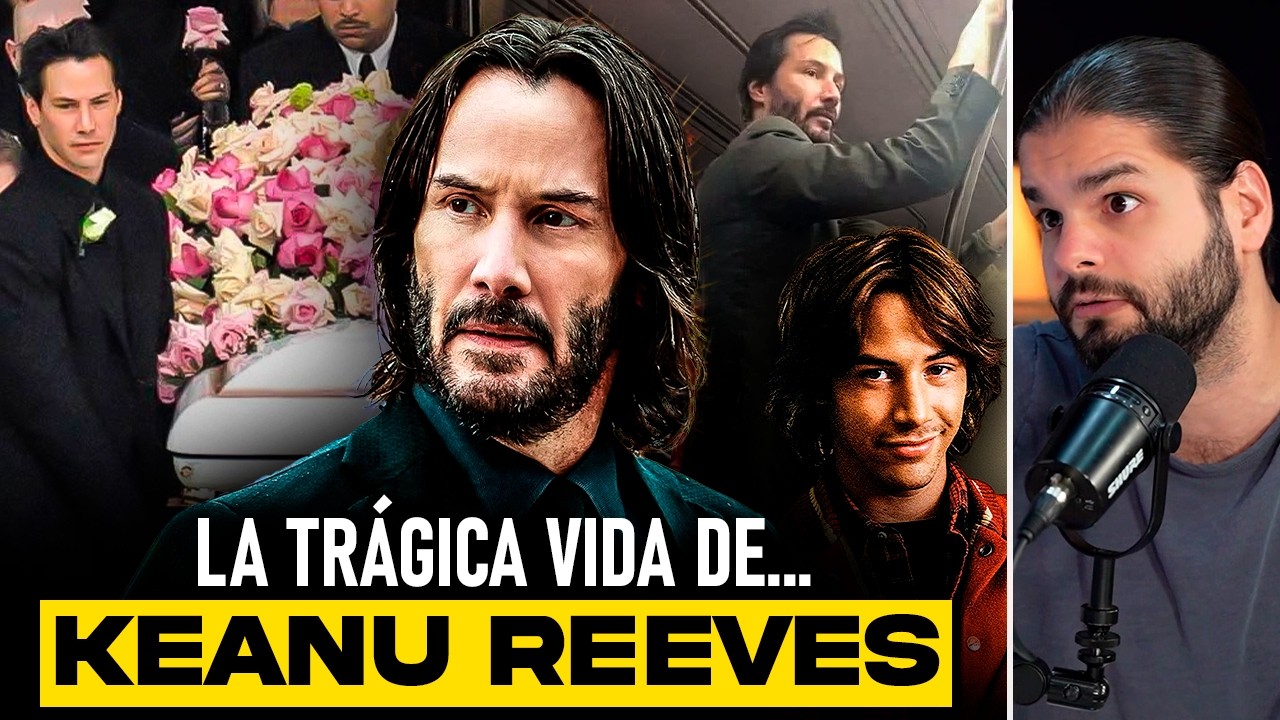
The trajectory of Keanu Charles Reeves was marked by a lack of stability from the very beginning. Born in September 1964 in Beirut, Lebanon, to a British costume designer mother and a Hawaiian-Chinese geologist father, his childhood was instantly fragmented. When Keanu was just three years old, his parents divorced following a harrowing period of domestic violence inflicted by his father. After the separation, Samuel Reeves vanished from his son’s life entirely, leaving behind a massive emotional void that the young boy desperately tried to fill with comic books, literature, and science fiction. His mother sought a better life, moving the family first to Sydney, Australia, and eventually to New York. It was there that his mother met and married Paul Aaron, a Broadway and film director. While the marriage only lasted a year, Aaron became a pivotal figure in Keanu’s life, serving as the desperately needed father figure who ultimately introduced the young boy to the magical, escapist world of theater and cinema.
Navigating his teenage years in Toronto, Keanu faced severe educational hurdles. Diagnosed with dyslexia, he struggled within the rigid confines of the traditional academic system, developing an anti-authoritarian streak that saw him constantly changing schools. By the age of seventeen, driven by an undeniable calling to perform, he boldly dropped out of high school without a diploma to chase his acting dreams. He faced years of grueling uncertainty, grinding through community theater and small television commercials—including an energetic spot for Coca-Cola—before finally making his way to Los Angeles. Hollywood slowly began to take notice of his raw, natural talent. Breakout roles in films like “River’s Edge” and the deeply poignant “Permanent Record”—a film that eerily foreshadowed his real-life encounters with unexpected death—solidified him as a genuine promise rather than just another aspiring dreamer.
It was during this initial rise to stardom that Keanu forged one of the most important relationships of his life with fellow actor River Phoenix. Meeting on the set of “Parenthood,” the two became instantly inseparable, bonding over their shared love of music, motorcycle trips, and a mutual disdain for the intrusive Hollywood paparazzi. Their incredible chemistry was captured beautifully in films like “I Love You to Death” and the acclaimed indie classic “My Own Private Idaho.” But this profound brotherhood was violently cut short in 1993. At just twenty-three years old, River Phoenix died of a sudden, devastating drug overdose outside the famous Viper Room club in Los Angeles. The news sent a paralyzing shockwave through Hollywood. For Keanu, it was an absolutely devastating blow, a harsh and sudden introduction to the terrifying randomness of death.
Philosopher Albert Camus frequently wrote about a concept known as “the absurd”—the agonizing collision between the desperate human desire for meaning and the cold, absolute indifference of the universe. When a brilliant, healthy twenty-three-year-old friend suddenly dies, there is no logical explanation to comfort the grieving. It is pure, senseless absurdity. Yet, despite being battered by this profound loss, Keanu honored his friend’s memory by continuing to work. Shortly after Phoenix’s tragic death, Keanu starred alongside Sandra Bullock in the blockbuster hit “Speed.” In a cinematic era entirely dominated by incredibly muscular, invincible supermen like Arnold Schwarzenegger and Sylvester Stallone, Keanu redefined the action hero. His character relied on agility, intellect, and raw determination rather than brute force. The film grossed an astonishing $350 million, catapulting him into global superstardom.
As the 1990s came to a close, Keanu accepted a role that would forever change the landscape of science fiction cinema: Neo in “The Matrix.” Pushing himself through grueling physical martial arts training, he delivered an iconic performance in a film that grossed nearly half a billion dollars and redefined cultural philosophy. He had reached the absolute peak of international fame and financial success. More importantly, behind the scenes, he had found profound personal happiness. He fell deeply in love with actress Jennifer Syme, and the couple was eagerly expecting their first child. It was a beautiful era of hope, promising the stable family life that had eluded Keanu since his fractured childhood in Beirut.
But in August 1999, the universe delivered a blow of unimaginable cruelty. Their daughter, Ava Archer Syme-Reeves, was stillborn. The heartbreaking loss of their child understandably fractured the couple’s relationship, though they remained deeply connected in their shared grief. Then, just two years later, tragedy struck a second, fatal time. While driving home from a party in Los Angeles, Jennifer lost control of her vehicle and was killed instantly in a horrific car crash. In the span of a few short years, Keanu had lost his absolute best friend, his firstborn daughter, and the woman with whom he had planned to spend the rest of his life.
This specific type of compounding tragedy triggers a psychological pain that goes beyond standard grief. It is a phenomenon best described as “futuralgia”—the melancholic, suffocating sadness that comes from the sudden death of a promised future. When a partner or a child passes away, you are not just mourning the person they were in the present; you are violently mourning every anniversary you will never celebrate, the family vacations you will never take, and the quiet moments of growing old together that have been permanently stolen from you. It is the agonizing loss of a certainty that will never come to pass.
Faced with this paralyzing level of absurdity, many people would logically retreat into total isolation, consumed by bitterness and a justifiable anger at the world. In the fictional universe of “John Wick,” Keanu’s character reacts to this exact type of senseless loss by launching a hyper-violent war against the people who wronged him. But in the real world, Keanu Reeves chose a rebellion that was far more profound and quietly revolutionary. He rebelled against the darkness by choosing to remain incredibly kind.
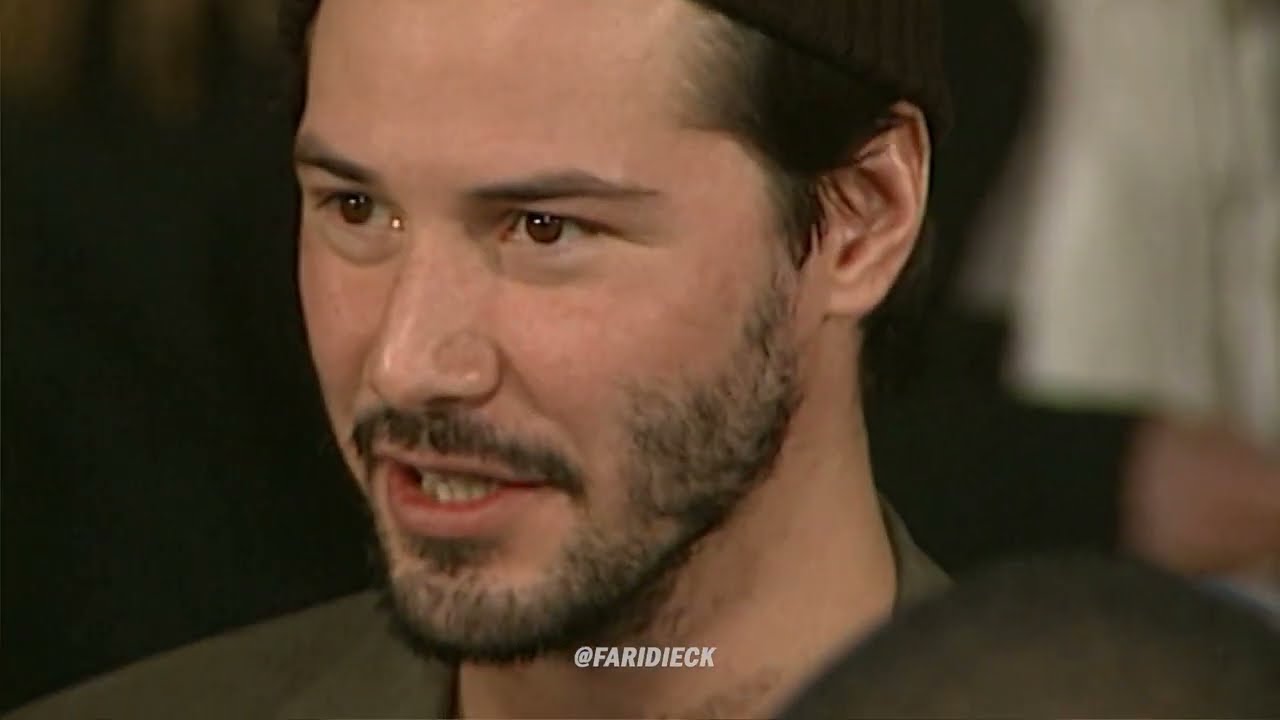
Instead of hiding in a gated mansion, he continued to work, pouring his complex, invisible wounds into nuanced cinematic performances. He gave away an estimated seventy percent of his massive earnings from “The Matrix” to charitable causes and leukemia research. He completely rejected the toxic celebrity ego, famously riding the public subway, generously giving up his seat to strangers, and taking the time to have genuine, heartfelt conversations with his fans. Keanu recognized that the universe does not owe us explanations, and that life is undeniably fragile and fleeting. Because he understands the agonizing pain of loss better than anyone, he has dedicated his life to making the world just a little bit softer for everyone else.
Today, Keanu Reeves stands as a globally beloved icon, not merely for his blockbuster movies, but for his profound integrity and resilient humanity. He has found new love, continuing to walk forward despite the heavy scars of his past. He is the living embodiment of the ultimate victory over life’s cruelest absurdities: the radical, courageous choice to keep loving, keep building, and keep living beautifully in a world that can break your heart at any moment.