In the spring of 2006, six young, healthy men walked into the Paracel clinical research unit in London with high hopes and clear intentions. Some were students, others were simply looking for a way to pay off debts or fund their future ambitions. They had been offered £2,000 to participate in a “first-in-man” study of a new drug, TGN1412, designed to treat leukemia. For them, it was a logical, low-risk decision to contribute to scientific advancement while earning a significant paycheck. What happened next, however, would become one of the most infamous and catastrophic events in British medical history .
The Illusion of Safety
For the participants, the process began with a sense of security. They were told the drug had shown great promise in animal studies, and the dose they would receive was scaled back 500-fold from the highest dose that had produced no adverse effects in monkeys . “We all knew there’s a tiny element of risk,” one participant recalled, noting that the reported side effects were comparable to a bee sting . The environment felt professional and government-approved. It was a standard procedure: a double-blind, randomized control trial where neither the clinicians nor the volunteers knew who received the active drug and who received the placebo .
The trial atmosphere was described by many as a “production line.” Volunteers were injected in quick succession, with only minutes separating each person . It was a systematic process, clinical and seemingly controlled, designed to understand how the human body handled the medicine . Yet, beneath the veneer of meticulous scientific protocol, a lethal oversight was unfolding.
The Nightmare Unfolds
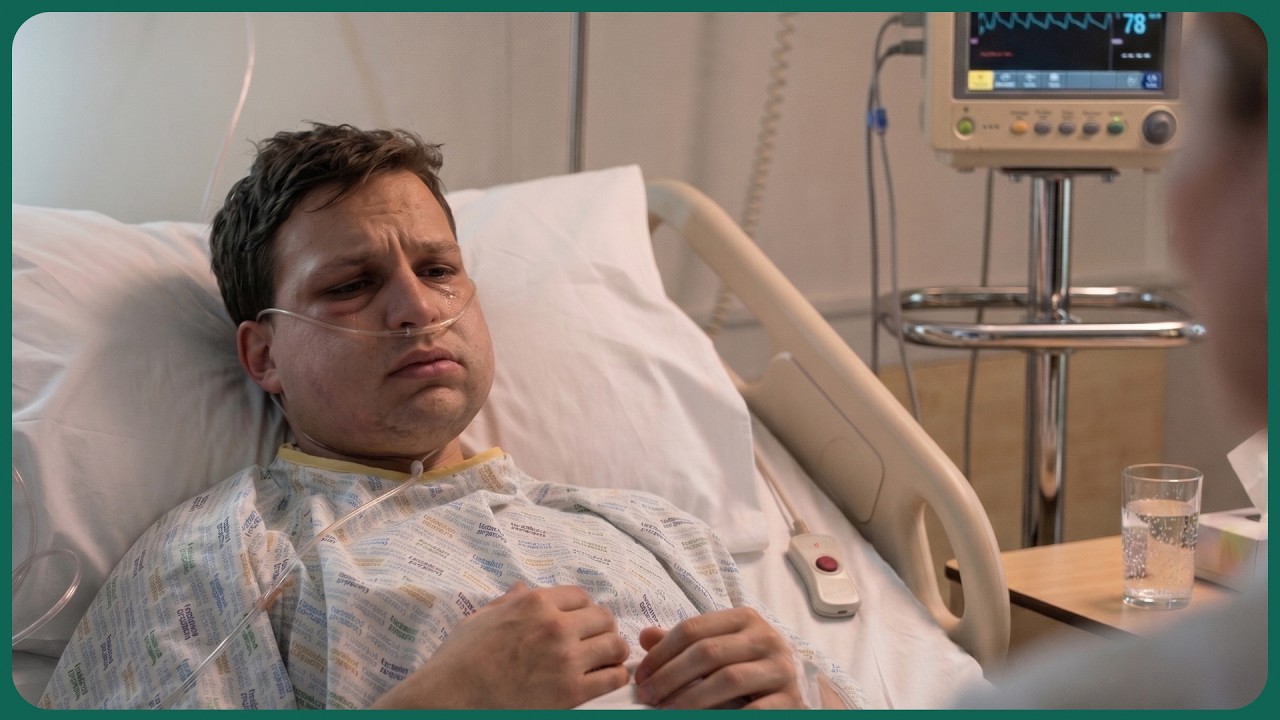
The first signs of trouble appeared almost immediately. Roughly 20 minutes after receiving the infusion, the participants began to suffer from headaches, which quickly escalated into debilitating migraines . “My whole body just went freezing cold and I started shaking,” one survivor recounted, describing the sensation of having hypothermia . This was not a minor reaction; it was the onset of a full-scale medical catastrophe.
As the drug surged through their systems, the scene in the ward turned into something resembling a horror movie. Volunteers began to vomit, scream in agony, and faint . One patient, in a state of sheer panic, tried to rip the equipment off, begging to leave because he felt that getting out of the hospital would stop the pain . It was a scene of utter chaos, with medical staff clearly caught off guard, scrambling to manage a situation for which they had no rule book .
The Elephant Men
As the inflammatory response intensified, the patients’ bodies began to swell uncontrollably due to massive fluid leakage into their tissues. Their faces grew round, their eyes became mere slits, and their abdomens distended. Cruelly, the media picked up on this, with one partner of a patient describing them as looking like “the Elephant Man.” The headline stuck, and suddenly, the public was captivated by the sight of these “atrocious monsters,” ignoring the fact that these were real human beings suffering in the intensive care unit .
Doctors were faced with a dilemma that would define the next few days: was this a severe infection, or was it a “cytokine storm”—a catastrophic overreaction of the immune system ? Treating it as an infection would require different measures than treating a cytokine release syndrome. If they made the wrong choice, they could unintentionally kill the patients . After frantic consultations, the medical team made the courageous decision to treat for a cytokine storm, administering massive doses of steroids .
A Systemic Failure
The investigation that followed was fraught with tension. The MHRA (Medicines and Healthcare products Regulatory Agency) eventually issued a report stating the trial had been conducted as intended, which many of the victims and their legal representatives dismissed as a “whitewash” . The company running the trial maintained that they followed all appropriate protocols, essentially arguing that no one could have known the drug would react differently in humans than it did in monkeys .
However, scientific hindsight revealed a critical flaw: while monkey and human immune systems share similar structures, the specific T-cells targeted by TGN1412 reacted in fundamentally different ways. The monkey cells did not respond to the drug as human cells did, meaning the preclinical safety testing was functionally useless for predicting the human reaction . It was, in the words of those in the field, a “never event” .
The Path to Recovery and Reform
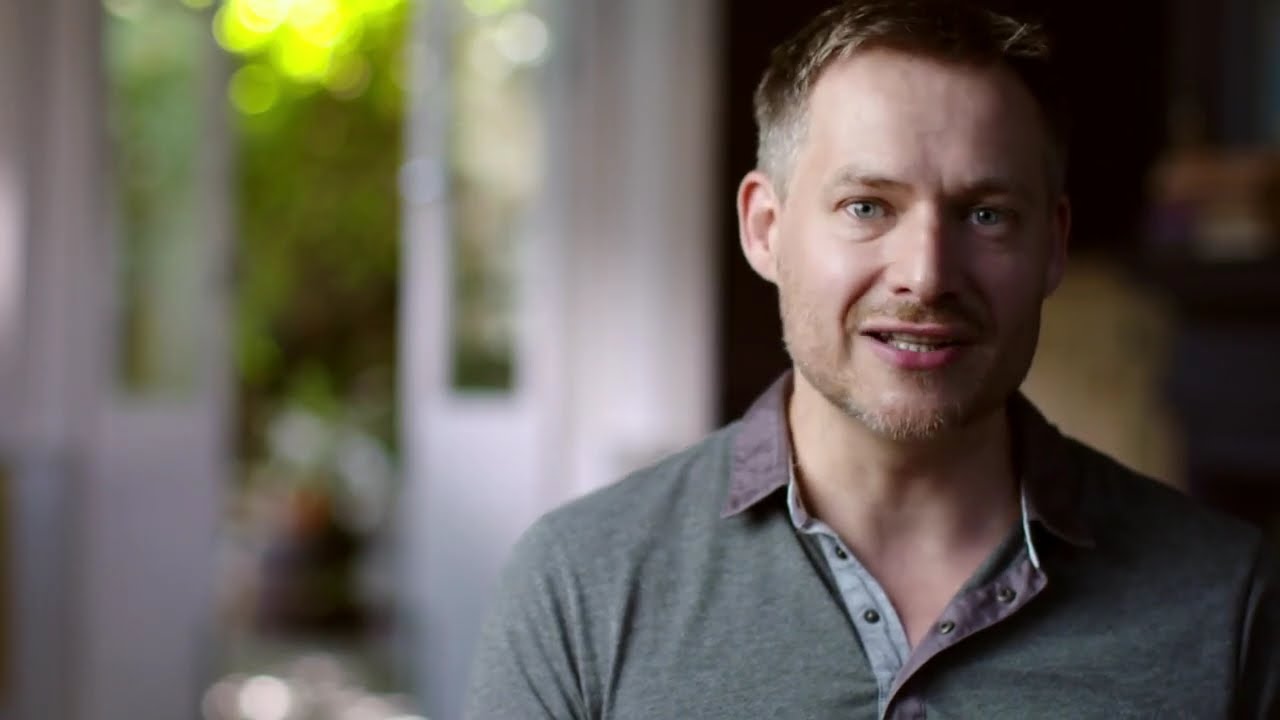
For the survivors, the recovery was long and harrowing. They suffered from severe muscle wastage, kidney failure, and ongoing health anxieties, including fears about potential long-term issues like cancer or fertility problems . The psychological toll was equally heavy; survivors grappled with “survivor’s guilt,” wondering why they were spared when others were fighting for their lives .
Despite the trauma, the legacy of the TGN1412 trial did lead to profound changes in global medical research. The incident forced regulators to implement stricter guidelines for first-in-man studies, including the requirement that drugs be administered to volunteers one at a time, rather than in rapid succession, to monitor for early warning signs . These reforms have undoubtedly made clinical trials safer for thousands of people worldwide.
Today, those involved look back with a mix of relief and lingering sadness. They have gone on to live their lives, starting families and finding peace, yet the memory of those days in the intensive care unit remains a powerful reminder of the fragility of life and the immense responsibility inherent in scientific progress . As one survivor noted, the trial made him realize that “life is quite precious” . The TGN1412 trial serves as a somber warning: when we push the boundaries of science, we must never lose sight of the humans at the center of the experiment.